James Hardie Siding Cost: Installation, Labor, and Long-Term Value
When it comes to James Hardie Siding Cost: Installation, Labor, and Long-Term Value, get ready for an informative journey filled with insights and practical tips. Let’s dive in and explore the world of James Hardie siding costs and its long-term benefits.
Cost of James Hardie Siding
When considering the cost of James Hardie siding, it is important to take various factors into account. These factors can significantly influence the overall price of the siding installation.
Factors Influencing Cost
- The size of the project plays a crucial role in determining the cost of James Hardie siding. Larger projects will naturally require more materials and labor, leading to higher costs.
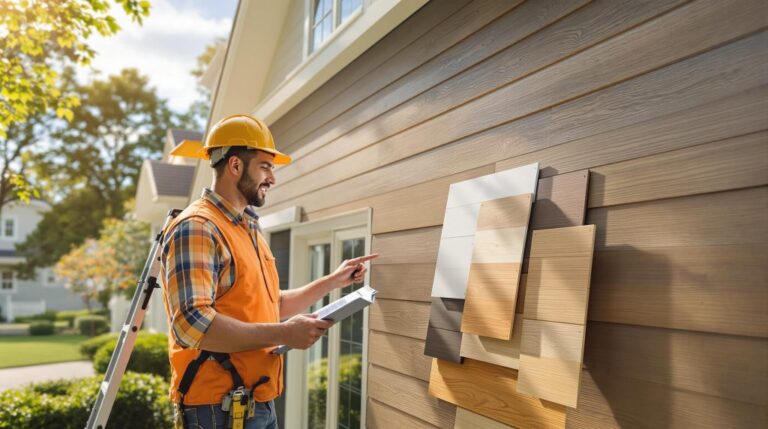
- The style and design of the siding chosen can also impact the overall cost. Certain styles may be more labor-intensive to install, resulting in higher installation costs.
- Additional features such as trim, corner pieces, and soffits can add to the total cost of the project.
- Location can also affect the cost, as labor rates and material prices can vary depending on the region.
Comparison with Other Siding Materials
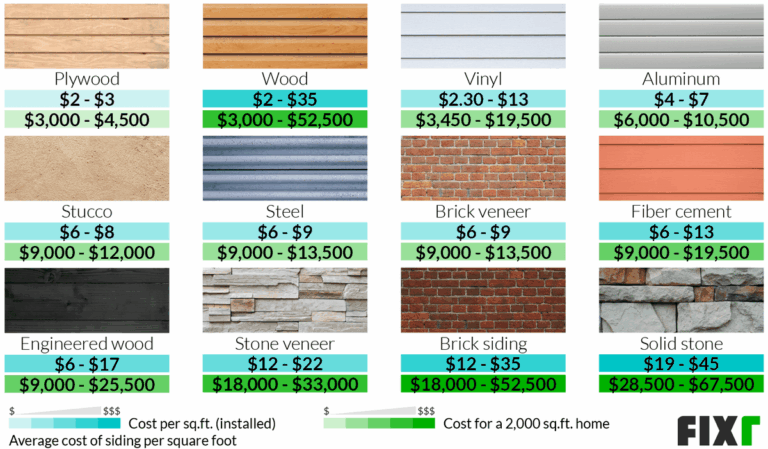
- While James Hardie siding may have a higher upfront cost compared to vinyl or wood siding, it offers long-term value and durability, making it a cost-effective choice in the long run.
- When considering the lifespan of the siding and the maintenance required, James Hardie siding can be a more cost-efficient option over time.
- Compared to materials like cedar or brick, James Hardie siding can provide a similar aesthetic appeal at a lower cost.
Importance of Considering Installation Costs
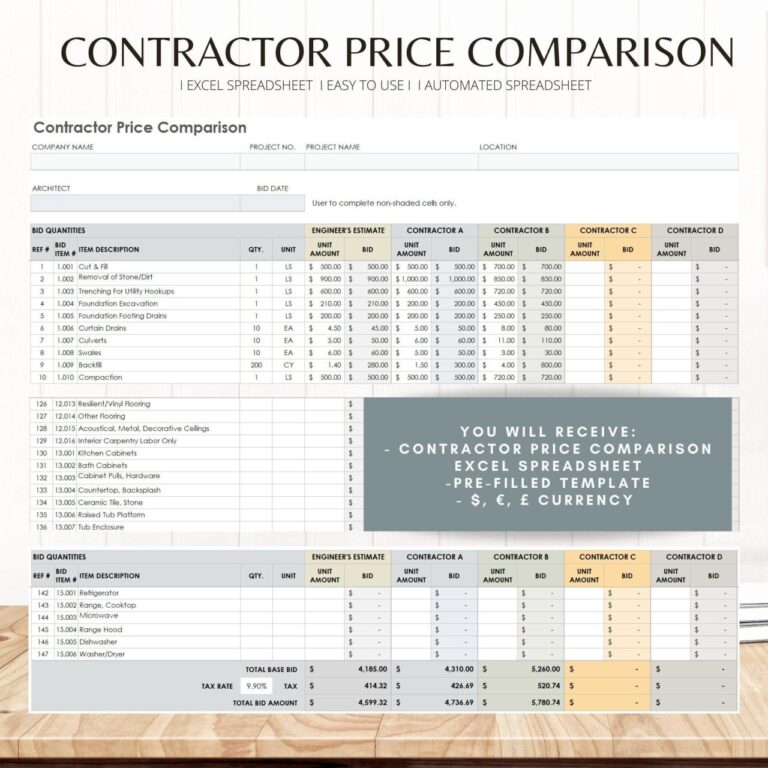
- It is essential to factor in installation costs when calculating the overall cost of James Hardie siding. While the material itself may have a certain price, professional installation is necessary for proper and lasting results.
- Improper installation can lead to issues down the line, resulting in additional repair costs. Investing in quality installation upfront can help save money in the long term.
Installation Process
When it comes to installing James Hardie siding, there are several key steps involved to ensure a successful outcome. From preparation to finishing touches, each phase plays a crucial role in the overall installation process.
Preparation
- Measure and plan accordingly to determine the amount of siding needed for the project.
- Clean the existing exterior surface to ensure a smooth and even application of the new siding.
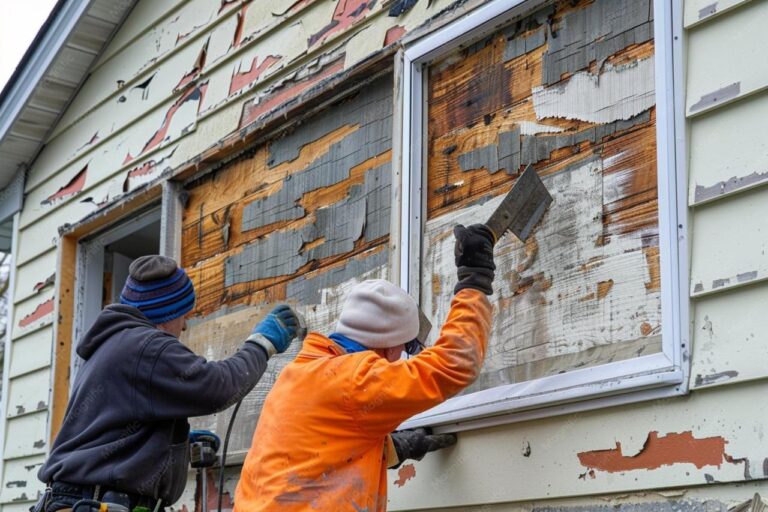
- Inspect the structure for any damage or issues that may need to be addressed before installation begins.
Installation
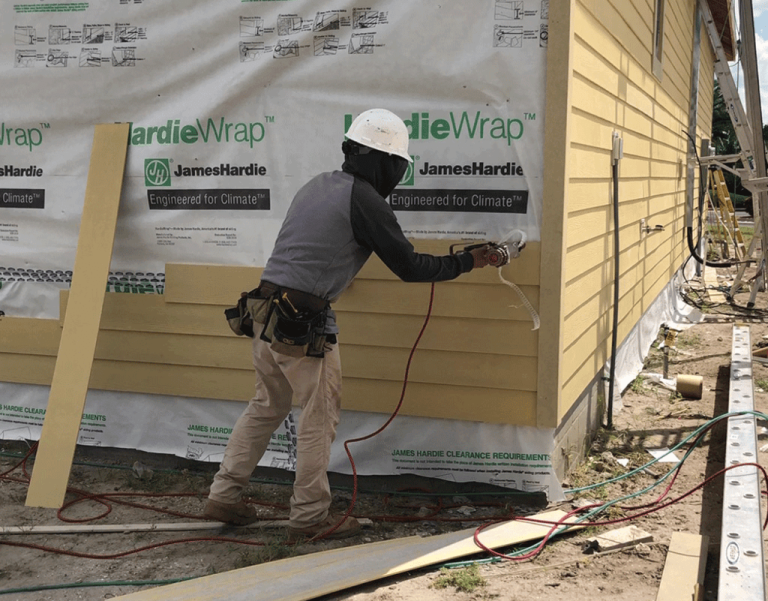
- Start by installing the trim pieces around windows, doors, and corners to provide a clean and finished look.
- Begin attaching the siding panels, making sure to follow the manufacturer’s guidelines for spacing and placement.
- Use the proper tools and equipment to securely fasten the siding in place, ensuring a tight fit and proper alignment.
Finishing Touches
- Add caulk and sealant to any gaps or seams to prevent moisture from seeping behind the siding.
- Patch any nail holes and touch up the paint or finish as needed to complete the installation and enhance the overall appearance.
Long-Term Value of James Hardie Siding
When considering the long-term value of James Hardie siding, durability is a key factor that sets it apart from other siding options. James Hardie siding is known for its strength and resistance to elements such as moisture, rot, and pests.
This durability translates to a longer lifespan for the siding, ultimately saving homeowners money on replacement and maintenance costs over time.
Durability and Impact on Long-Term Value
- James Hardie siding is engineered to withstand harsh weather conditions, including strong winds, hail, and extreme temperatures, ensuring that it maintains its appearance and structural integrity for many years.
- The durability of James Hardie siding also means that it requires less maintenance compared to other siding materials, reducing the time and money spent on upkeep.
Contribution to Energy Efficiency
- James Hardie siding can contribute to energy efficiency in a home by providing better insulation and reducing heat loss during the winter and heat gain during the summer. This can lead to lower energy bills and increased comfort for homeowners.
- By reducing the strain on heating and cooling systems, James Hardie siding helps to prolong the lifespan of HVAC equipment, further adding to the long-term value of the home.
Maintenance Tips to Extend Lifespan
- Regularly inspect the siding for any signs of damage, such as cracks or peeling paint, and address them promptly to prevent further issues.
- Clean the siding at least once a year using a mild detergent and water to remove dirt and debris that can accumulate over time and affect the appearance of the siding.
- Avoid using high-pressure washers or abrasive cleaning tools, as they can damage the surface of the siding and reduce its lifespan.
FAQ Insights
What factors influence the cost of James Hardie siding?
Factors include the size of the project, labor costs, geographic location, and any additional design features.
How does James Hardie siding contribute to energy efficiency?
James Hardie siding is known for its thermal resistance, helping to regulate indoor temperatures and reduce energy consumption.
What are some maintenance tips to extend the lifespan of James Hardie siding?
Regularly clean the siding, inspect for damage, and repaint when necessary to ensure its longevity.