Exterior Siding Inspection: Costs, Damage Signs, and When to Call a Contractor
As Exterior Siding Inspection: Costs, Damage Signs, and When to Call a Contractor takes center stage, this opening passage beckons readers with engaging insights into a world of exterior siding maintenance. Dive into the details of costs, damage signs, and the right time to bring in a professional contractor for a thorough inspection.
Explore the nuances of exterior siding materials, signs of damage to look out for, inspection costs, and the critical decision of when to seek expert help. This comprehensive guide will equip you with the knowledge needed to keep your property in top condition.
Exterior Siding Materials
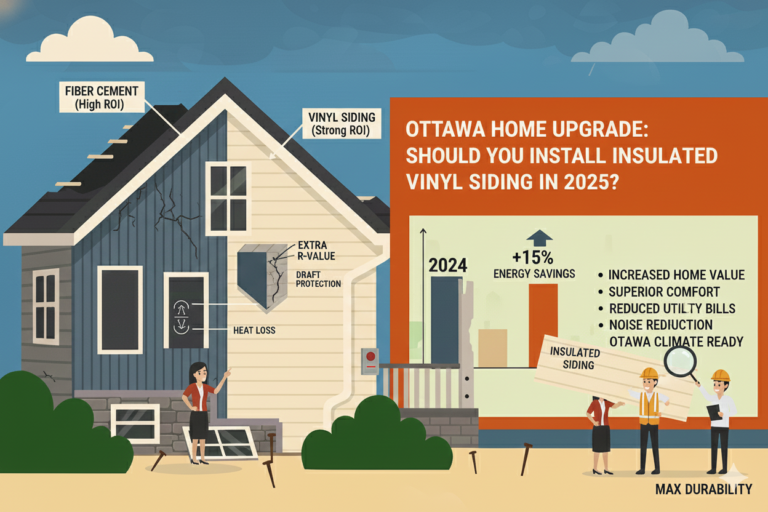
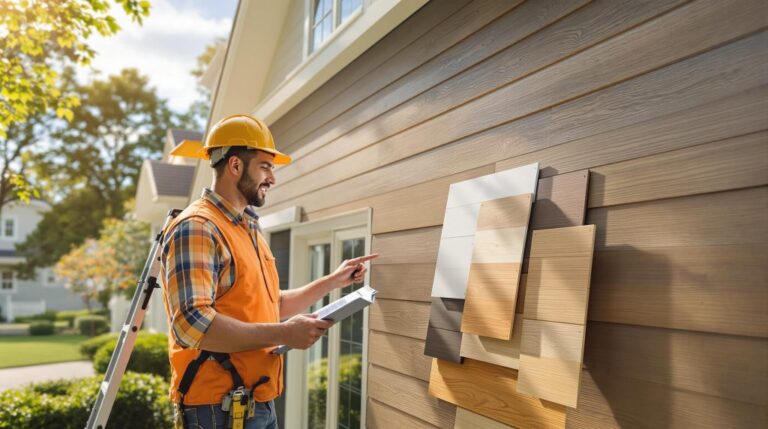
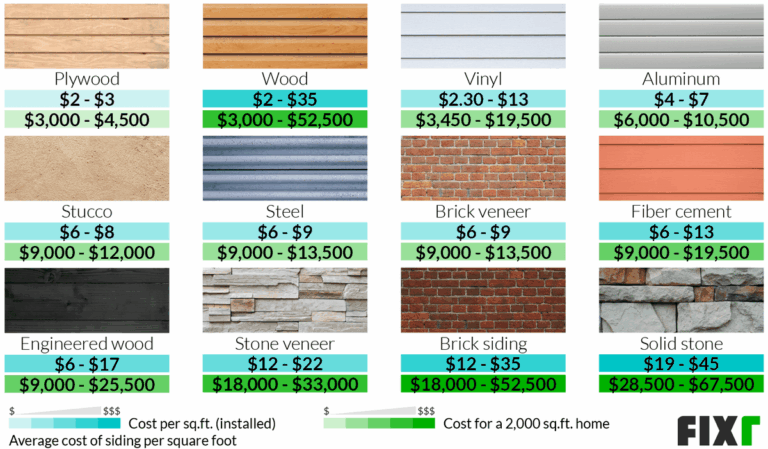
When it comes to exterior siding materials, there are several common options available, each with its own unique characteristics, pros, and cons.
Vinyl Siding
- Characteristics: Vinyl siding is a popular choice due to its affordability, versatility, and low maintenance requirements. It comes in a variety of colors and styles.
- Pros: Resistant to rot, moisture, and insect damage. Easy to clean and doesn’t require painting.
- Cons: Can crack or fade over time, not as durable as some other materials.
Wood Siding
- Characteristics: Wood siding offers a natural and timeless look, with options like cedar, pine, and redwood available. It can be painted or stained to match your desired aesthetic.
- Pros: Provides excellent insulation and can increase the value of your home. Can be repaired easily if damaged.
- Cons: Requires regular maintenance, such as painting or staining. Susceptible to rot, insects, and moisture damage if not properly maintained.
Fiber Cement Siding
- Characteristics: Made from a mix of cement, sand, and cellulose fibers, fiber cement siding is durable and resistant to fire, insects, and rot.
- Pros: Low maintenance, long-lasting, and available in a variety of textures that mimic wood or stucco.
- Cons: More expensive than vinyl or wood siding, heavier and more challenging to install.
Aluminum Siding
- Characteristics: Lightweight and durable, aluminum siding is resistant to fire, rot, and insect damage.
- Pros: Low maintenance, can be painted, and is recyclable.
- Cons: Prone to dents and scratches, can be noisy during heavy rain or wind.
Signs of Exterior Siding Damage
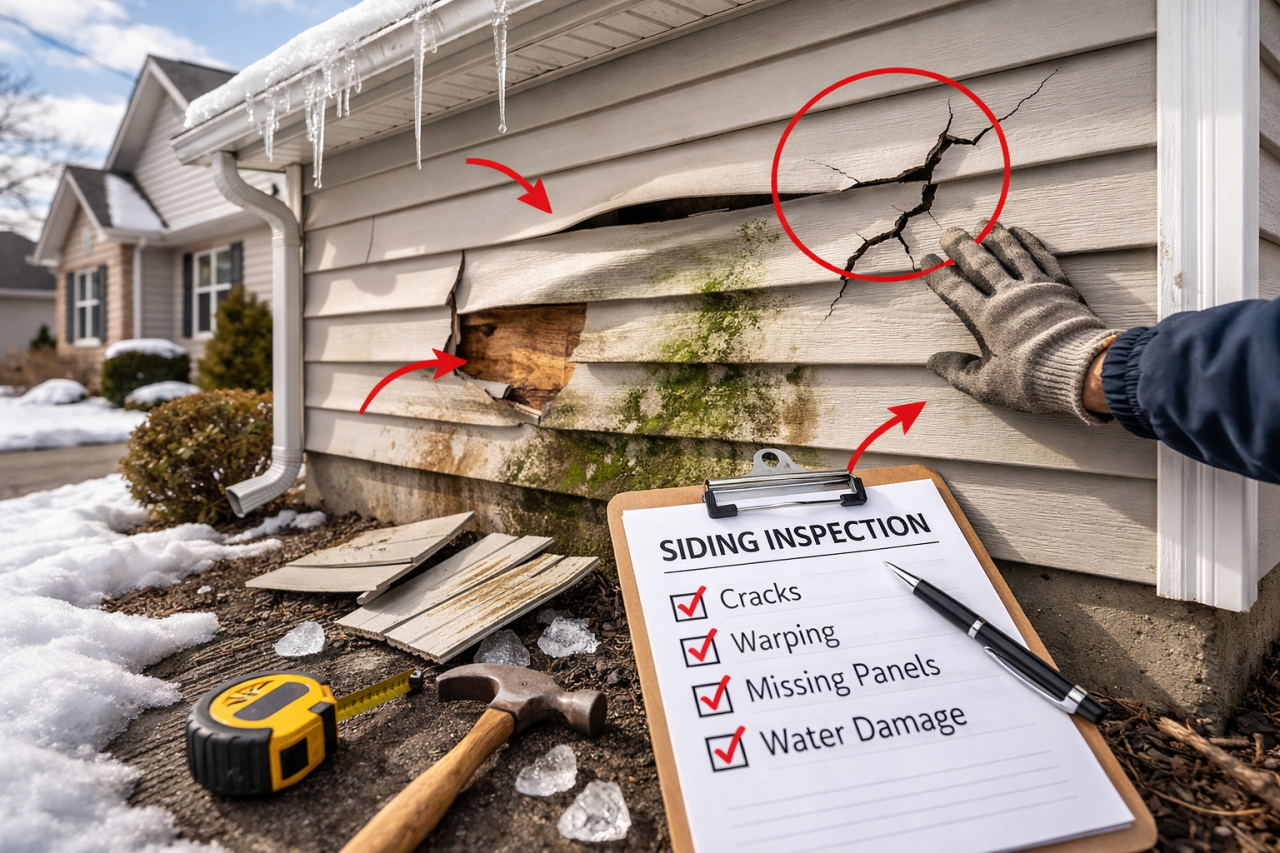
When inspecting your exterior siding, it is important to look out for various signs of damage that may indicate potential issues with your home’s protection and insulation.
Common Signs of Damage
- Cracks: Small or large cracks in the siding can allow moisture to seep in and cause further damage.
- Warping: Distorted or warped siding may indicate water damage or improper installation.
- Discoloration: Stains or discoloration on the siding can be a sign of mold, mildew, or rot.
Impact of Weather Conditions
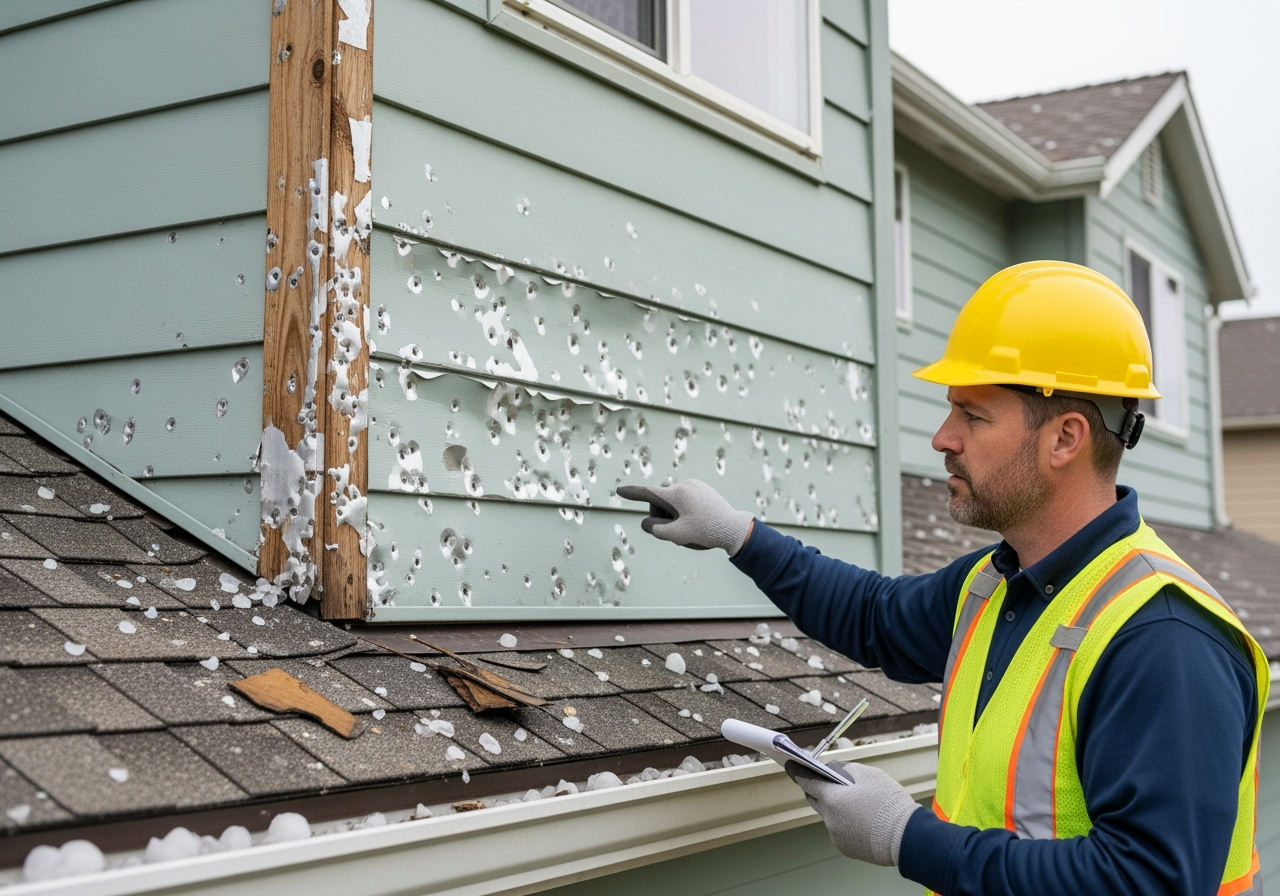
Weather conditions play a significant role in the deterioration of exterior siding. Extreme temperatures, heavy rain, snow, and high winds can all contribute to damage over time.
Poor Installation Consequences
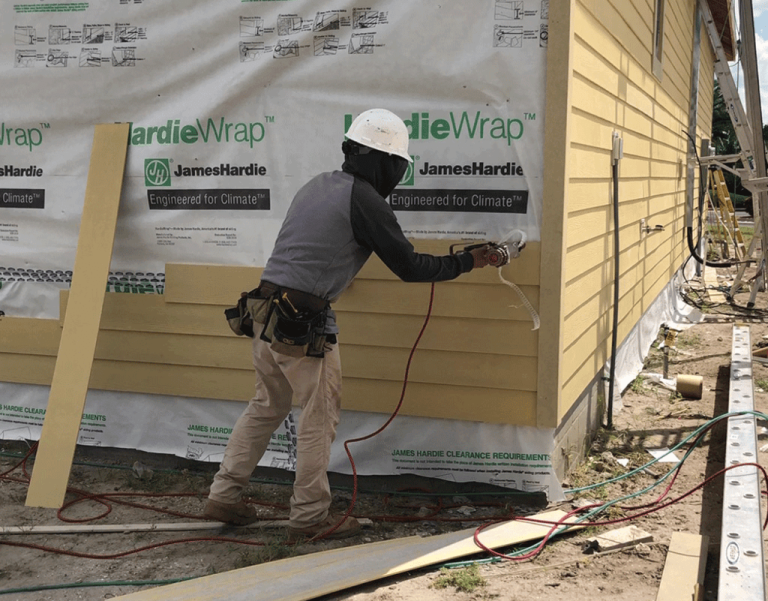
Improper installation of siding can lead to various issues, including gaps, loose panels, and inadequate sealing. These installation flaws can make the siding more susceptible to damage from weather elements and reduce its lifespan.
Exterior Siding Inspection Costs
When it comes to exterior siding inspection costs, several factors come into play. Let’s break down the key points to consider.Regular maintenance inspections are typically less expensive than repair inspections. During routine maintenance checks, a professional will assess the condition of the siding, look for signs of damage or wear, and recommend any necessary repairs or upgrades.
On the other hand, repair inspections are more in-depth and involve identifying specific issues and providing solutions to fix them.The cost of an exterior siding inspection can vary depending on the type of siding material used and the size of the property.
For example, vinyl siding inspections may cost less than inspections for cedar or fiber cement siding due to the different materials and maintenance requirements. Additionally, larger properties with more extensive siding coverage may incur higher inspection costs compared to smaller homes.
Estimate Range for Typical Inspection Costs
- For a standard vinyl siding inspection on a medium-sized home, the cost may range from $200 to $400.
- If the property features cedar siding, the inspection cost could be between $300 and $600 due to the specialized maintenance required for this material.
- For larger homes with fiber cement siding, inspection costs might fall in the range of $400 to $800, considering the size and complexity of the property.
When to Call a Contractor
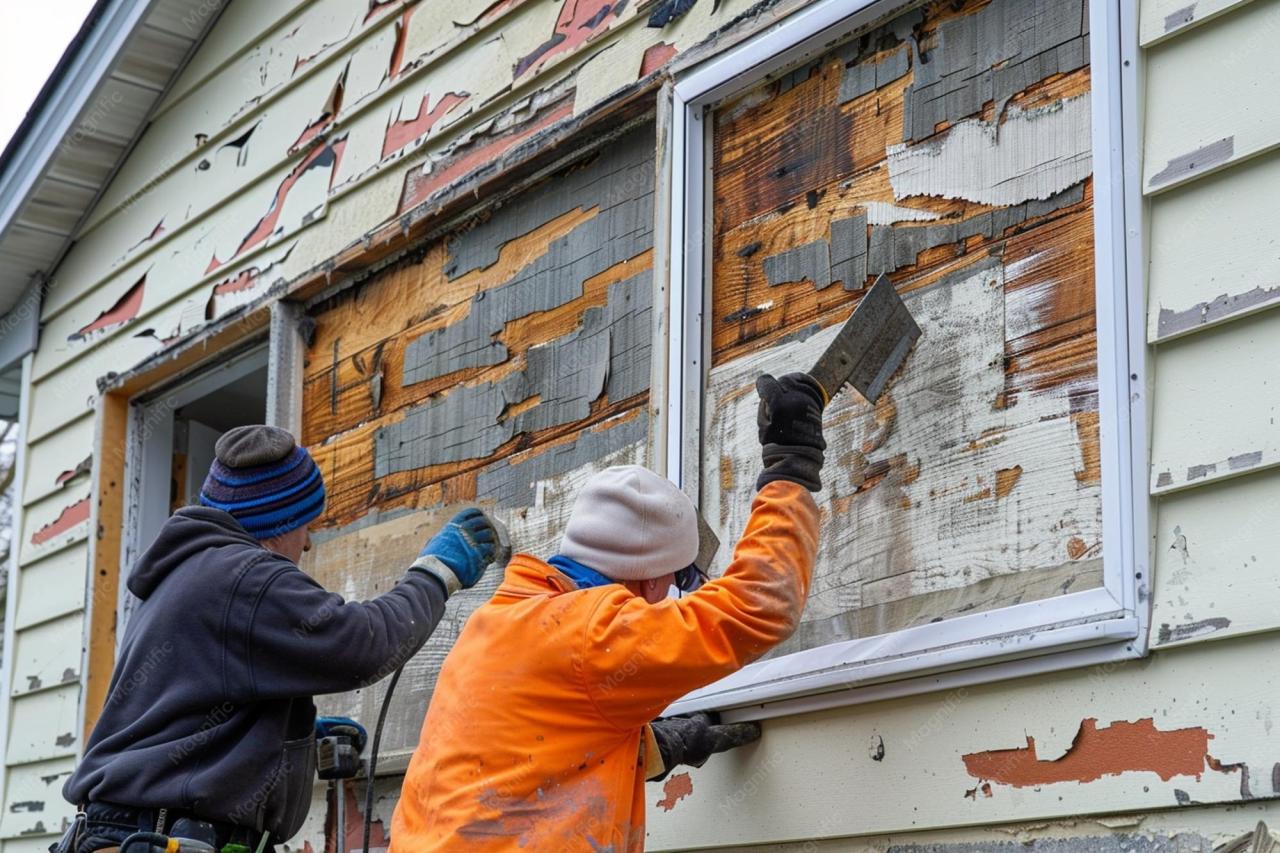
When it comes to your exterior siding, there are certain signs that indicate it’s time to call a professional contractor for inspection or repair. Ignoring these signs can lead to further damage and more costly repairs down the line.
Signs It’s Time to Call a Contractor:
- Visible cracks, holes, or warping in the siding.
- Mold, mildew, or rot starting to develop on the siding.
- Peeling paint or loose siding panels.
Importance of Timely Repairs:
Timely repairs are crucial to prevent further damage to your home. Addressing issues early can save you money in the long run and help maintain the structural integrity of your property.
Tips for Selecting a Reliable Siding Contractor:
- Ask for recommendations from friends, family, or neighbors who have had similar work done.
- Research online reviews and ratings of local contractors.
- Ensure the contractor is licensed, insured, and has experience with the type of siding on your home.
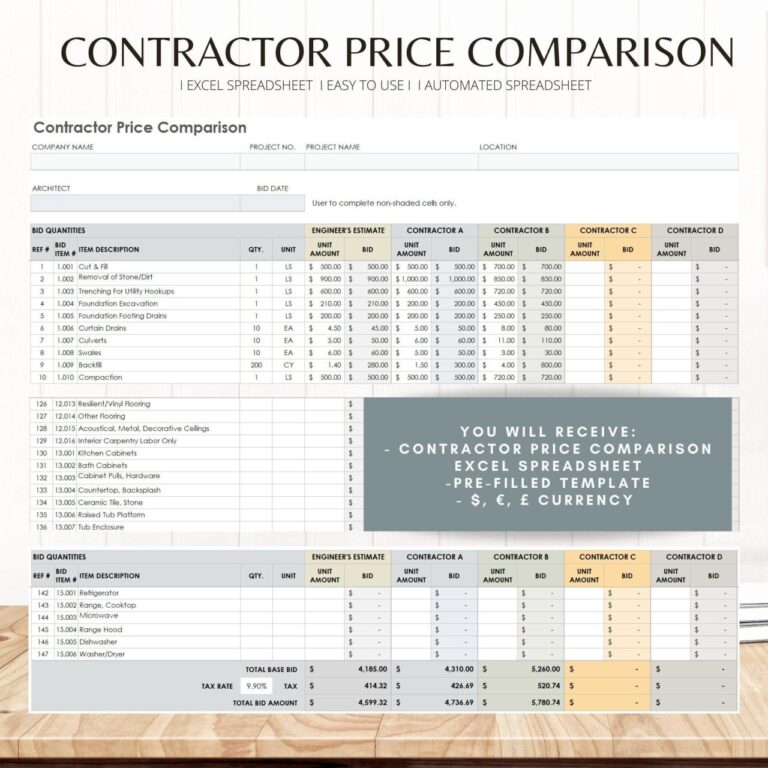
- Get multiple quotes and compare prices and services offered.
- Ask for a written contract outlining the scope of work, timeline, and payment terms.
Query Resolution
What are the common types of exterior siding materials?
Common types include vinyl, wood, fiber cement, metal, and brick. Each material has its own set of characteristics and benefits.
How can weather conditions impact exterior siding?
Extreme weather conditions like heavy rain, snow, or intense sunlight can cause warping, fading, or cracking in siding materials. Proper maintenance is key to mitigating these effects.
What factors influence the cost of an exterior siding inspection?
Factors like the size of the property, type of siding material, extent of damage, and location can all impact the overall cost of an inspection.
When should I call a professional contractor for siding inspection or repair?
It’s time to call a contractor when you notice significant damage like cracks, rot, or loose siding. Timely repairs can prevent further deterioration and costly replacements.