Energy-Efficient Siding Installation: Costs, Insulation, and Home Savings
Exploring the realm of Energy-Efficient Siding Installation: Costs, Insulation, and Home Savings, this introduction sets the stage for an informative journey, blending formal language with an engaging tone to captivate readers right from the start.
Further details about the topic will be expounded upon in the following paragraphs.
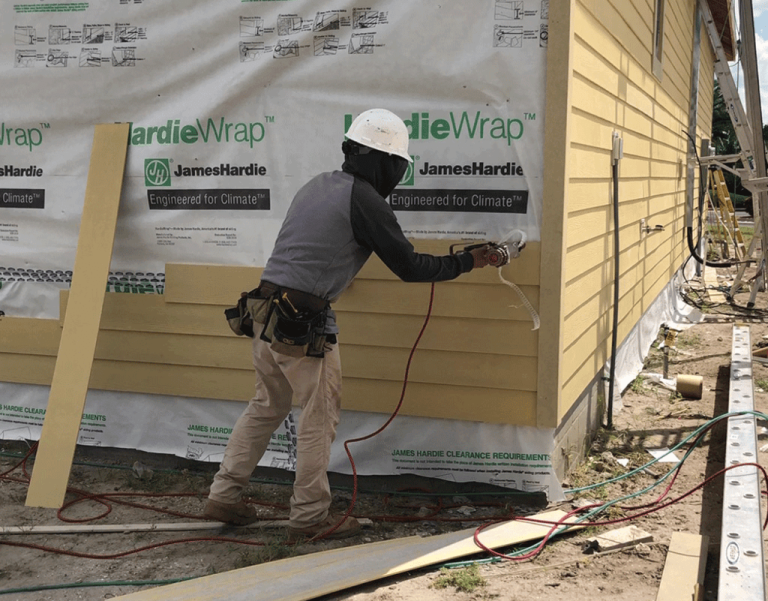
Energy-Efficient Siding Installation
Energy-efficient siding is designed to minimize heat transfer between the interior and exterior of a home, helping to maintain a consistent temperature and reduce energy consumption.
Insulation Properties
Energy-efficient siding typically offers higher levels of insulation compared to traditional siding materials. This improved insulation helps to keep the home cooler in summer and warmer in winter, reducing the need for heating and cooling systems to work overtime.
Benefits Beyond Cost Savings
- Enhanced Comfort: Energy-efficient siding can create a more comfortable living environment by reducing drafts and temperature fluctuations.
- Improved Durability: Many energy-efficient siding materials are more durable and resistant to weather damage, prolonging the lifespan of the siding and reducing maintenance costs.
- Environmental Impact: By reducing energy consumption, energy-efficient siding can help lower carbon emissions and minimize the environmental impact of a home.
Popular Types of Energy-Efficient Siding Materials
| Material | Insulation Properties |
|---|---|
| Vinyl Siding | Offers good insulation and is cost-effective. |
| Fiber Cement Siding | Highly durable and provides excellent insulation. |
| Wood Siding | Natural insulation properties but requires more maintenance. |
| Insulated Vinyl Siding | Features additional foam insulation for superior energy efficiency. |
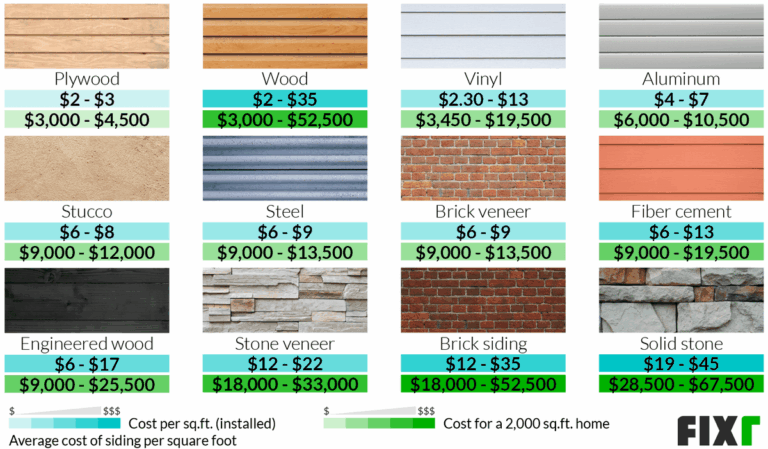
Costs of Energy-Efficient Siding Installation
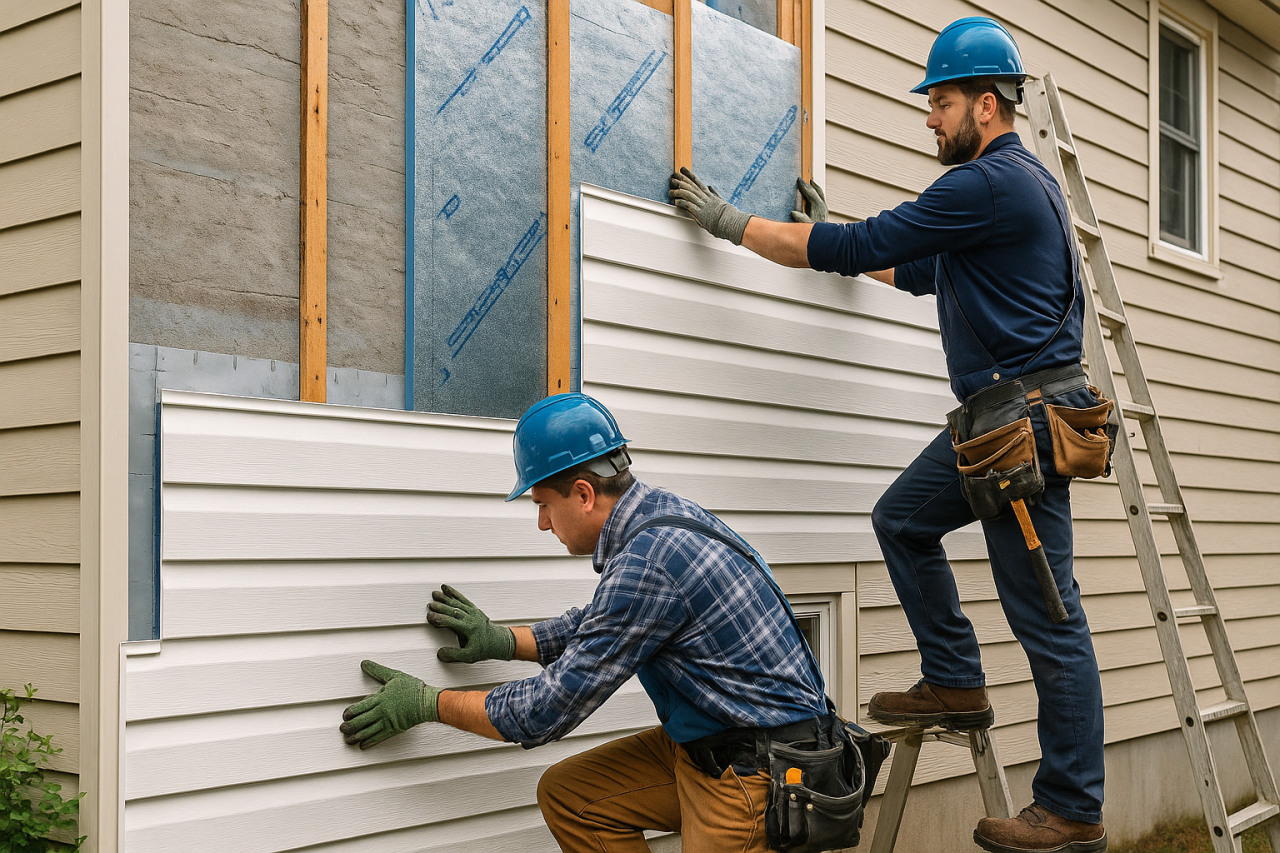
When considering energy-efficient siding installation, it is essential to understand the associated costs to make an informed decision. The initial investment may vary depending on several factors, but it is crucial to weigh the costs against the long-term savings and benefits.
Typical Costs Breakdown
- Cost of materials: This includes the price of the energy-efficient siding panels, insulation, fasteners, and any additional materials needed for installation.
- Labor costs: Hiring professionals to install the siding can significantly impact the overall cost. Labor rates may vary depending on the complexity of the project and the location.
- Permit fees: Depending on local regulations, you may need to obtain permits for the siding installation, which can add to the total cost.
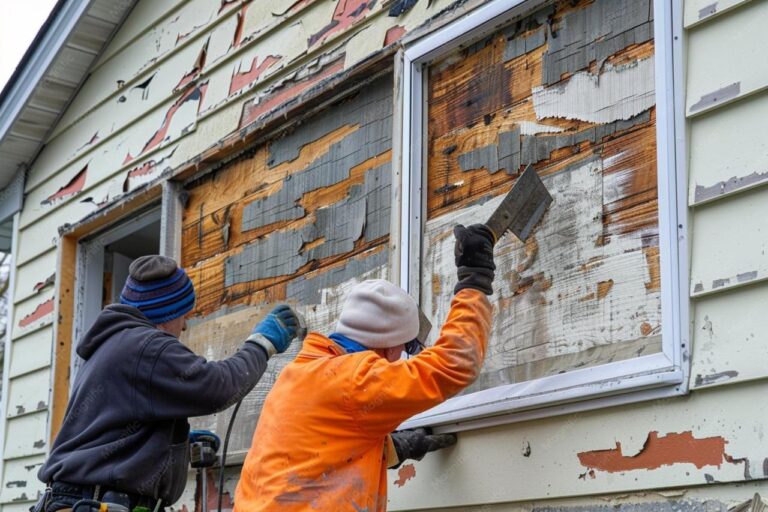
- Additional expenses: There may be additional costs for removing old siding, repairing any underlying damage, or enhancing the insulation of your home.
Factors Influencing Installation Costs
- Size of the home: The larger the property, the more materials and labor will be required, leading to higher costs.
- Choice of siding material: Different types of energy-efficient siding materials come at varying price points, affecting the overall cost of the project.
- Complexity of the installation: Factors like the shape of the house, presence of obstacles, and the need for special equipment can increase labor costs.
- Location: Labor rates, permit fees, and material availability can vary based on your geographical area, impacting the total installation cost.
Initial Cost vs. Long-Term Savings
While the initial cost of energy-efficient siding installation may seem high, it is essential to consider the long-term savings on energy bills. Energy-efficient siding can help reduce heating and cooling costs, leading to significant savings over time.
Tips for Budgeting Effectively
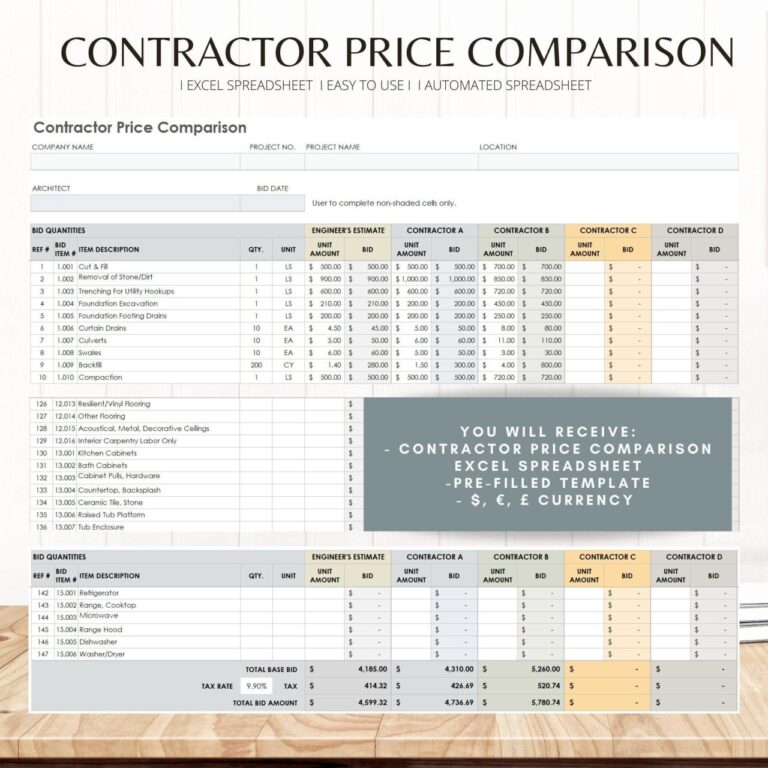
- Get multiple quotes from reputable contractors to compare prices and services.
- Consider financing options or incentives offered for energy-efficient home improvements.
- Plan ahead and budget for any unexpected expenses that may arise during the installation process.
- Explore different siding materials and installation techniques to find a balance between cost and energy efficiency.
Insulation Benefits of Energy-Efficient Siding
Energy-efficient siding plays a crucial role in enhancing the insulation of a home, leading to various advantages in terms of energy consumption, indoor comfort, sustainability, and environmental impact.
Improved Insulation
Energy-efficient siding acts as a barrier against heat transfer, preventing the loss of heat during the winter and the infiltration of heat during the summer. This helps in maintaining a consistent temperature inside the home, reducing the need for excessive heating or cooling.
Energy Consumption and Indoor Comfort
Proper insulation provided by energy-efficient siding results in lower energy consumption for heating and cooling systems. By reducing the workload on HVAC systems, homeowners can enjoy a more comfortable indoor environment while also saving on energy bills.
Contribution to a Sustainable Home
The enhanced insulation properties of energy-efficient siding contribute to the overall sustainability of a home. By reducing energy consumption, homeowners can minimize their carbon footprint and decrease their reliance on non-renewable energy sources, promoting a more eco-friendly lifestyle.
Environmental Benefits
Improved insulation not only benefits homeowners but also has a positive impact on the environment. By reducing energy usage, energy-efficient siding helps lower greenhouse gas emissions and mitigates the environmental impact associated with excessive energy consumption. This, in turn, contributes to a healthier planet for future generations.
Home Savings with Energy-Efficient Siding
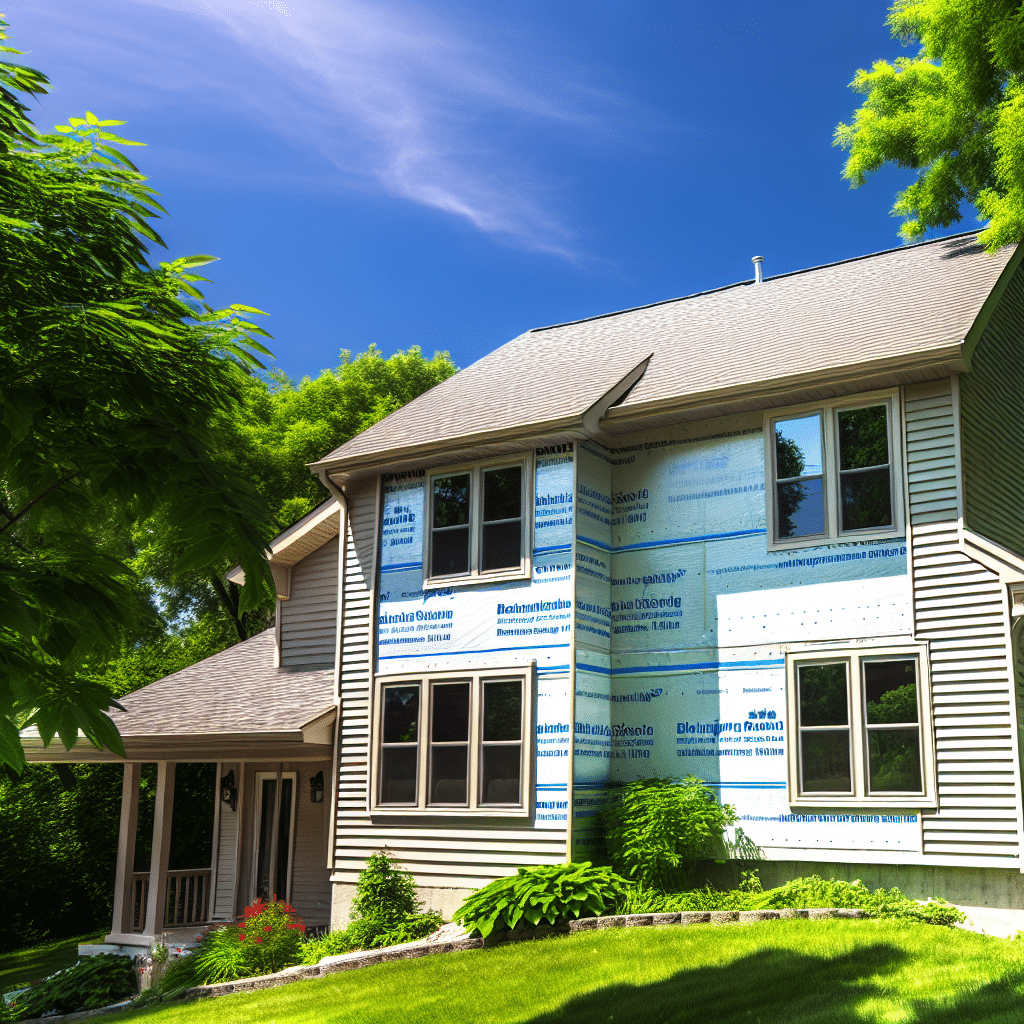
Energy-efficient siding not only improves the insulation of a home but also leads to significant savings on energy bills. Let’s explore how homeowners can benefit from installing energy-efficient siding.
Reduced Heating and Cooling Costs
- Energy-efficient siding helps to regulate indoor temperatures by preventing heat loss in winter and heat gain in summer, reducing the need for constant heating and cooling.
- By maintaining a more consistent indoor temperature, homeowners can rely less on HVAC systems, resulting in lower energy consumption and decreased utility bills.
- According to the U.S. Department of Energy, energy-efficient siding can save homeowners up to 30% on heating and cooling costs annually.
Incentives and Rebates
- Many utility companies and government agencies offer incentives or rebates for installing energy-efficient siding as part of energy-saving initiatives.
- These incentives can help offset the initial cost of siding installation, making it a more cost-effective investment in the long run.
- Homeowners should check with local utility providers or government programs to see if they qualify for any rebates or financial assistance for energy-efficient upgrades.
Success Stories
- A family in a cold climate area saw a 25% reduction in their heating costs after installing energy-efficient siding, leading to substantial savings over the winter months.
- Another homeowner in a hot climate reported a 20% decrease in their cooling bills during the summer, thanks to the improved insulation provided by energy-efficient siding.
- These success stories highlight the tangible benefits and savings that homeowners can experience by investing in energy-efficient siding for their homes.
FAQ Corner
What are the maintenance requirements for energy-efficient siding?
Regular cleaning and inspections are recommended to maintain the efficiency and longevity of energy-efficient siding.
Is energy-efficient siding suitable for all types of homes?
Energy-efficient siding can be installed on various home types, but consultation with a professional is advised for specific cases.
Are there color options available for energy-efficient siding?
Yes, there are numerous color choices available for energy-efficient siding to suit different aesthetic preferences.