
Best Low-Maintenance Siding Materials: Cost and Durability Compared
Kicking off with Best Low-Maintenance Siding Materials: Cost and Durability Compared, this opening paragraph is designed to captivate and engage the readers, providing an interesting overview of the topic.
Delving into the realm of low-maintenance siding materials, we explore the significance of durability and cost comparison, shedding light on popular options available in the market.
Introduction to Low-Maintenance Siding Materials

Low-maintenance siding materials refer to exterior cladding options that require minimal upkeep and remain durable over time. These materials are designed to withstand various weather conditions and retain their appearance without frequent maintenance.Durability is a crucial factor when selecting siding materials as it directly impacts the longevity and performance of the exterior of a building.
Choosing a durable siding material can help prevent issues such as warping, rotting, or fading, which can lead to costly repairs and replacements.
Examples of Popular Low-Maintenance Siding Materials
- Vinyl Siding: Vinyl siding is a popular choice due to its affordability, low maintenance requirements, and wide range of colors and styles.
- Fiber Cement Siding: Known for its durability and resistance to rot, fire, and insects, fiber cement siding is a long-lasting option for homeowners.
- Metal Siding: Metal siding, such as aluminum or steel, is highly durable, resistant to extreme weather conditions, and requires minimal maintenance.
- Engineered Wood Siding: Engineered wood siding offers the natural look of wood with enhanced durability and resistance to moisture and pests.
Cost Comparison of Low-Maintenance Siding Materials
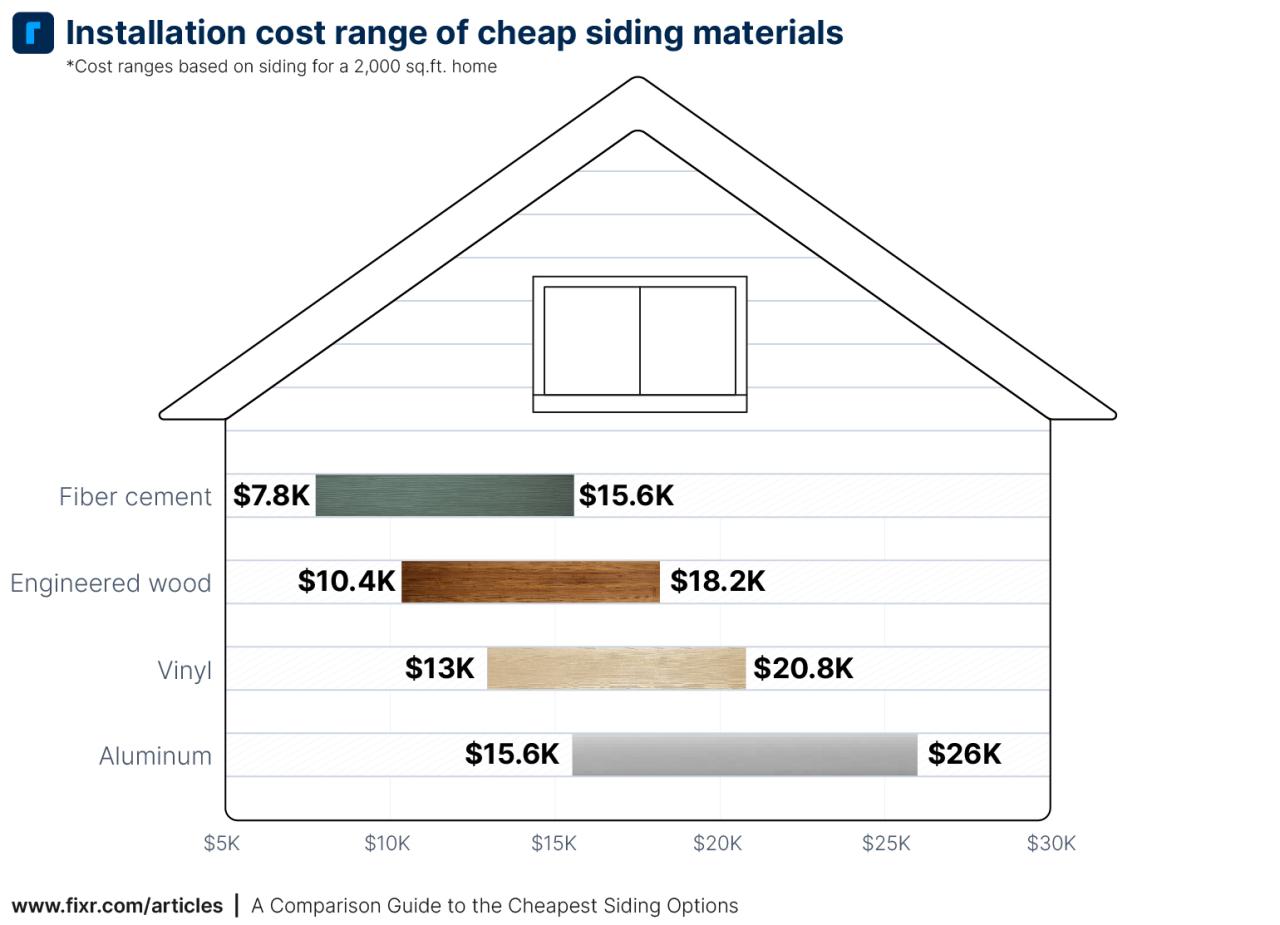
When considering low-maintenance siding materials for your home, it is essential to factor in the initial cost as well as the long-term cost implications. While some materials may have a higher upfront cost, they could potentially save you money in maintenance and replacement expenses over time.
Let’s explore the cost comparison of various low-maintenance siding materials to help you make an informed decision based on your budget and preferences.
Vinyl Siding
Vinyl siding is one of the most cost-effective options available. It has a relatively low initial cost compared to other materials such as fiber cement or wood. Additionally, vinyl siding requires minimal maintenance, saving you money on painting and repairs in the long run.
It is a popular choice for homeowners looking for a budget-friendly yet durable siding option.
Fiber Cement Siding
Fiber cement siding is another popular low-maintenance option with a moderate initial cost. While it may be more expensive than vinyl siding, fiber cement is known for its durability and resistance to elements such as moisture, rot, and pests. This can result in long-term cost savings by reducing the need for repairs or replacements.
Composite Siding
Composite siding combines various materials like wood fibers and resin to create a durable and low-maintenance product. The initial cost of composite siding can vary depending on the manufacturer and quality of the product. However, composite siding is designed to withstand harsh weather conditions and requires minimal upkeep, making it a cost-effective choice for homeowners looking for a balance between price and durability.
Metal Siding
Metal siding, such as steel or aluminum, offers a sleek and modern look with a moderate initial cost. While metal siding may require occasional maintenance like repainting to prevent corrosion, it is highly durable and resistant to fire, pests, and rot.
The long-term cost efficiency of metal siding depends on the quality of the material and proper maintenance practices.
Cost Considerations
When comparing the cost of low-maintenance siding materials, it is essential to consider not only the initial price but also the long-term maintenance savings. Investing in a durable material that requires minimal upkeep can ultimately save you money in the long run by reducing the need for frequent repairs or replacements.
Choose a siding material that aligns with your budget and maintenance preferences to ensure a cost-effective and practical solution for your home.
Durability Assessment of Siding Materials
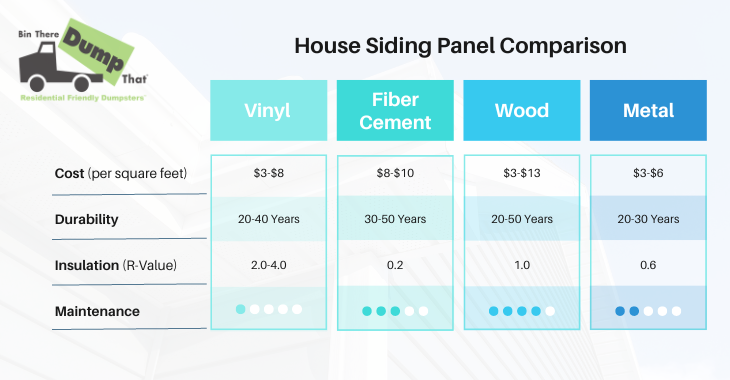
When considering low-maintenance siding materials, durability is a crucial factor to examine. The longevity of siding materials can impact the overall cost-effectiveness of your choice and the maintenance required over time.
Factors Contributing to Siding Materials Longevity
- Weather Resistance: Siding materials that can withstand harsh weather conditions like rain, snow, and UV exposure tend to last longer.
- Resistance to Pests and Rot: Materials that are resistant to pests, such as termites, and rot are more likely to maintain their integrity over time.
- Maintenance Requirements: Siding materials that require minimal upkeep and are easy to clean often have a longer lifespan.
Examples of Durable Siding Materials
Several siding materials are known for their durability and longevity. Here are a few examples:
- Vinyl Siding:Vinyl siding is a popular choice due to its resistance to moisture, rot, and insects. It is also low maintenance and can last for several decades.
- Fiber Cement Siding:Fiber cement siding is highly durable and resistant to fire, insects, and rot. It has a long lifespan and requires minimal maintenance.
- Metal Siding:Metal siding, such as steel or aluminum, is known for its strength and durability. It can withstand extreme weather conditions and is resistant to pests and rot.
Environmental Impact of Low-Maintenance Siding
When considering low-maintenance siding materials, it is essential to evaluate their environmental impact. This involves analyzing their eco-friendliness, sustainability aspects, as well as exploring recycled and recyclable options.
Eco-Friendliness of Different Siding Materials
It is crucial to assess the eco-friendliness of various siding materials to minimize the negative impact on the environment. Here is a comparison of common low-maintenance siding materials:
- Vinyl Siding: While durable and low-maintenance, vinyl siding is not biodegradable and can release toxic chemicals when disposed of improperly.
- Fiber Cement Siding: Made from a mixture of cement, sand, and cellulose fibers, fiber cement siding is more eco-friendly than vinyl as it can be recycled and has a longer lifespan.
- Composite Siding: Composed of recycled wood fibers and plastic, composite siding is a sustainable option that reduces waste and utilizes recycled materials.
Sustainability Aspects of Low-Maintenance Options
Considering sustainability aspects is crucial when choosing low-maintenance siding materials. Sustainable options help conserve resources and reduce environmental impact. Here are some sustainability aspects of low-maintenance siding options:
- Energy Efficiency: Opting for insulated siding can improve energy efficiency in homes, reducing the need for heating and cooling.
- Longevity: Siding materials with a longer lifespan require fewer replacements, reducing overall waste and environmental impact.
- Recyclability: Choosing siding materials that are recyclable at the end of their lifespan promotes a circular economy and reduces landfill waste.
Recycled and Recyclable Siding Material Choices
Exploring recycled and recyclable siding material choices is a sustainable approach to reduce the environmental impact of home construction and renovation. Here are some options to consider:
- Recycled Wood Siding: Using reclaimed or recycled wood for siding reduces the demand for new timber and promotes resource conservation.
- Recyclable Metal Siding: Metal siding materials like aluminum can be recycled multiple times without losing quality, making them a sustainable choice.
- Recycled Plastic Siding: Siding made from recycled plastic helps reduce plastic waste and supports the circular economy by reusing materials.
Essential FAQs
What are the top low-maintenance siding materials recommended for durability and cost-effectiveness?
Fiber cement, vinyl, and engineered wood are popular choices known for their durability and affordability.
How do I determine the best low-maintenance siding material for my budget?
Consider the initial cost, long-term maintenance savings, and durability of the material to find an option that fits your budget.
Are there eco-friendly low-maintenance siding materials available in the market?
Yes, options like fiber cement and engineered wood offer eco-friendly choices due to their sustainability and recyclable nature.