
Siding Replacement for Rental Properties: Costs and Maintenance Considerations
Kicking off with Siding Replacement for Rental Properties: Costs and Maintenance Considerations, this opening paragraph is designed to captivate and engage the readers, setting the tone casual formal language style that unfolds with each word.
The content of the second paragraph that provides descriptive and clear information about the topic
Costs of Siding Replacement
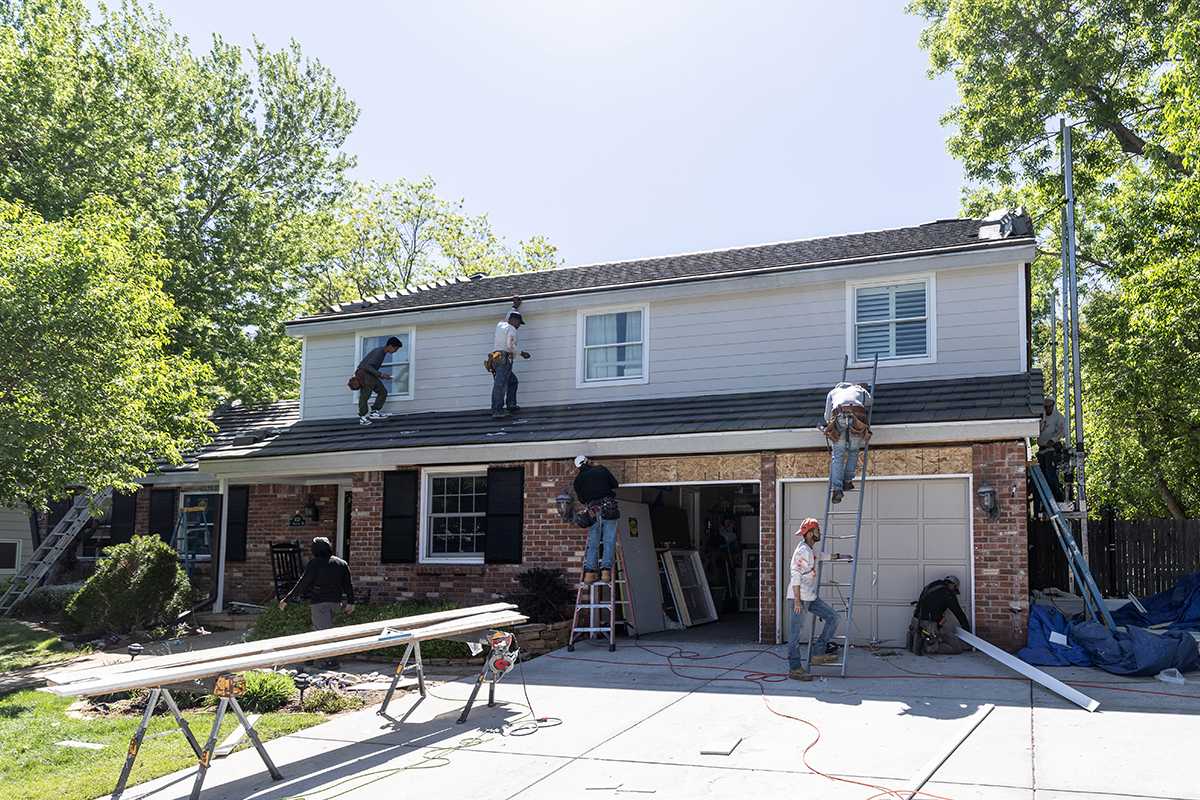
Replacing siding on rental properties can be a significant expense, but it is essential for maintaining the property’s value and curb appeal. Understanding the costs involved in siding replacement can help landlords budget effectively and make informed decisions.
Typical Costs Involved
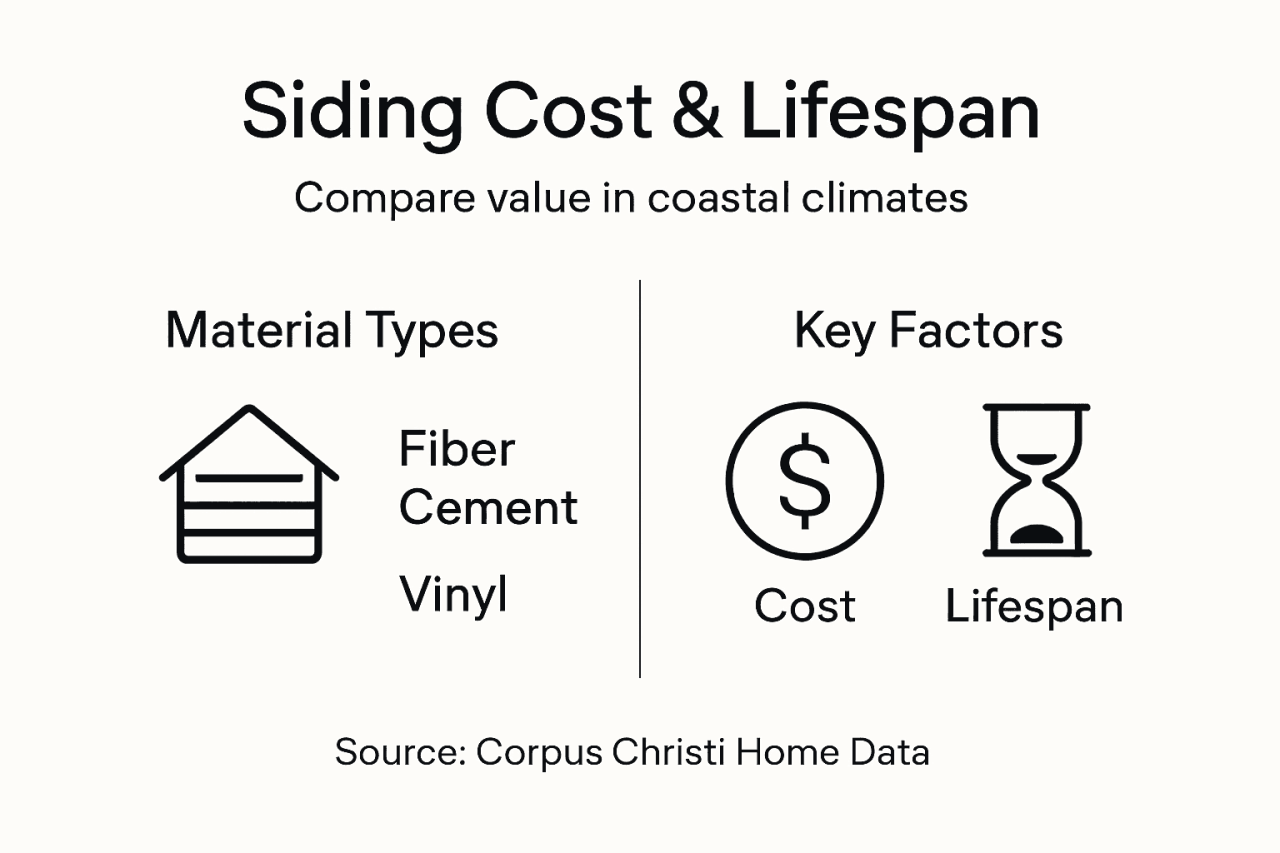
- Siding Materials: The cost of siding materials can vary depending on the type and quality. Common options include vinyl, wood, fiber cement, and metal. Vinyl siding is usually the most cost-effective choice, while wood and fiber cement tend to be more expensive.
- Labor Costs: Hiring professional contractors for siding replacement will incur labor costs. The rates can vary based on the contractor’s experience, location, and the size of the project.
- Additional Expenses: Other costs to consider include permits, disposal of old siding, equipment rental, and any necessary repairs to the underlying structure.
Factors Influencing Cost Variations
- Property Size: The larger the rental property, the more materials and labor will be required, leading to higher costs.
- Siding Type: Different siding materials come at varying price points, affecting the overall cost of the replacement project.
- Location: Labor rates and material prices can differ based on the region, impacting the total expenses for siding replacement.
Cost-Effective Siding Materials
- Vinyl Siding: Known for its affordability and low maintenance, vinyl siding is a popular choice for rental properties looking to keep costs down.
- Fiber Cement Siding: Although slightly more expensive than vinyl, fiber cement siding offers durability and resistance to rot and pests, making it a cost-effective long-term investment.
DIY vs. Professional Contractors
- DIY: While DIY siding replacement can save on labor costs, it requires time, skill, and proper tools. Mistakes can be costly, potentially leading to higher expenses in the long run.
- Professional Contractors: Hiring experienced contractors ensures quality workmanship and saves landlords time and effort. While it may be more expensive upfront, the results are often worth the investment.
Maintenance Considerations
Regular maintenance is crucial for ensuring the longevity of siding on rental properties. By staying on top of maintenance tasks, property owners can prevent costly repairs or premature replacement of siding. Here are some common maintenance considerations to keep in mind:
Common Maintenance Tasks
- Regularly inspecting the siding for any signs of damage, such as cracks, warping, or rot.
- Cleaning the siding at least once a year to remove dirt, mold, and mildew buildup.
- Trimming any vegetation near the siding to prevent moisture retention and potential damage.
- Checking and repairing caulking and sealants around windows, doors, and other openings to prevent water infiltration.
Signs of Replacement
- Extensive warping, cracking, or rot that cannot be repaired through simple maintenance.
- Mold or mildew growth that persists despite cleaning and treatment.
- Significant fading or discoloration that affects the overall appearance of the property.
- Water damage or leaks inside the property that can be traced back to the siding.
Preventing Damage
- Regularly clean and inspect the siding to catch any issues early on.
- Ensure proper drainage around the property to prevent water from pooling near the siding.
- Trim trees and bushes to maintain a safe distance from the siding and prevent damage from branches or roots.
- Consider applying a protective coating or sealant to the siding to enhance durability and weather resistance.
FAQs
What factors influence the cost variations in siding replacement projects?
Factors such as the type of siding material, property size, and labor costs can influence the overall cost variations in siding replacement projects.
How can property owners prevent damage to siding and reduce maintenance costs?
Property owners can prevent damage to siding by regularly inspecting for issues, promptly addressing any damage, and ensuring proper drainage around the property to avoid water damage. These preventive measures can help reduce overall maintenance costs.
Include more FAQs as needed