Exterior Siding Upgrade Cost: How Much Should Homeowners Budget?
As Exterior Siding Upgrade Cost: How Much Should Homeowners Budget? takes center stage, this opening passage beckons readers with engaging insights into the world of home improvement, offering a comprehensive look at the factors influencing budget decisions.
The following paragraphs delve into the various aspects of siding upgrades, shedding light on cost comparisons, labor expenses, and practical budgeting tips for homeowners.
Factors Affecting Exterior Siding Upgrade Cost
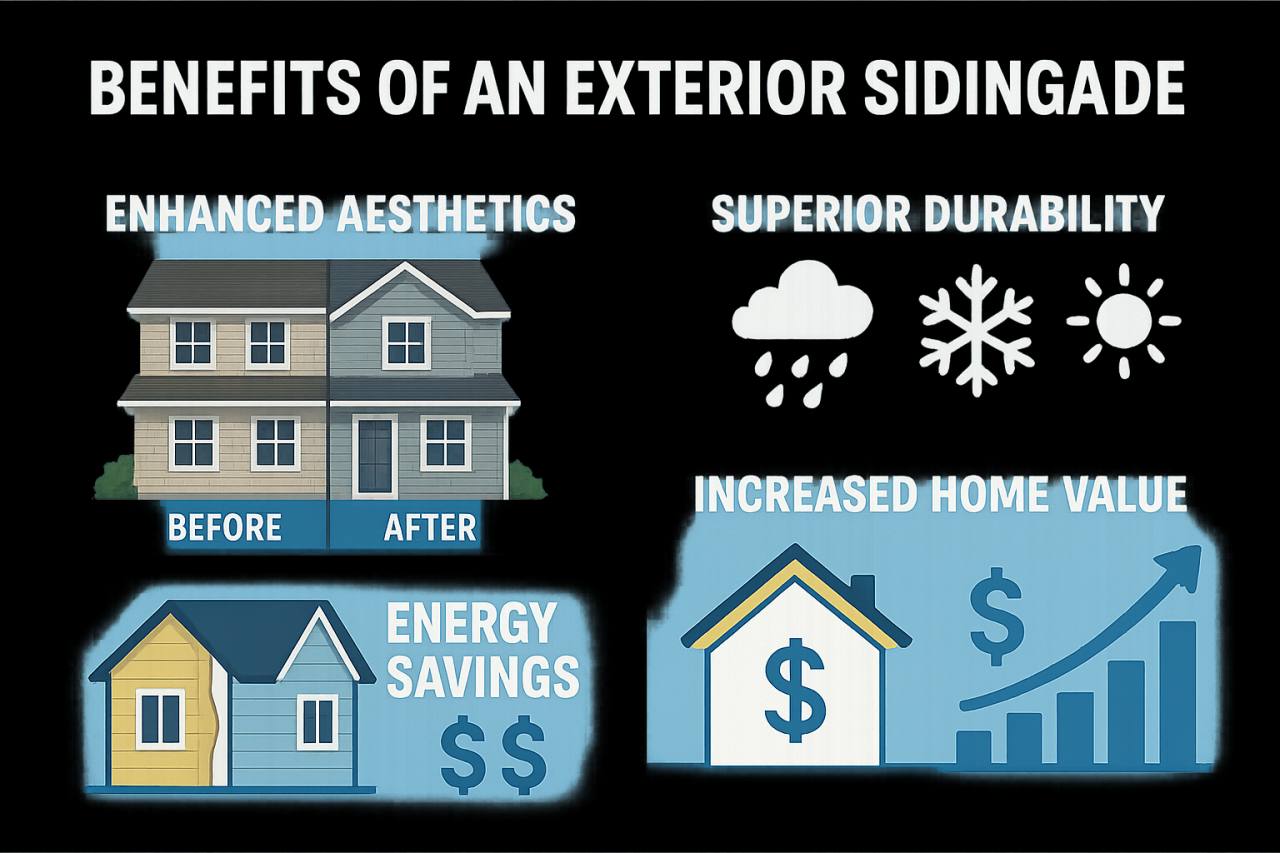
When considering an exterior siding upgrade for your home, several factors come into play that can influence the overall cost. Understanding these factors can help homeowners budget effectively for their project.
Types of Siding Materials and Cost Implications
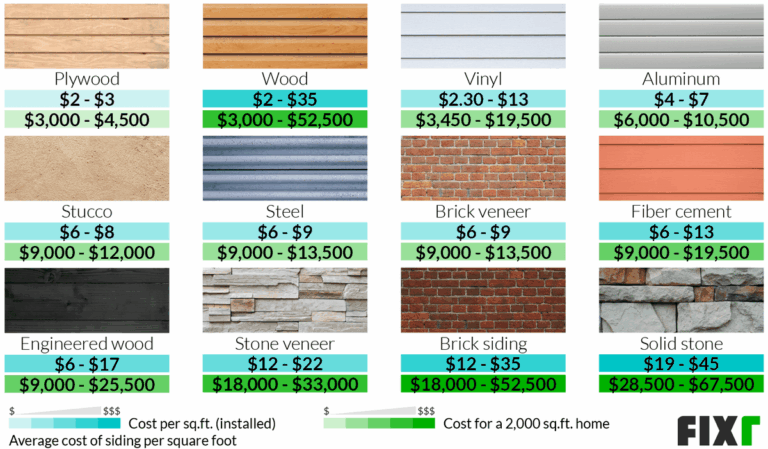
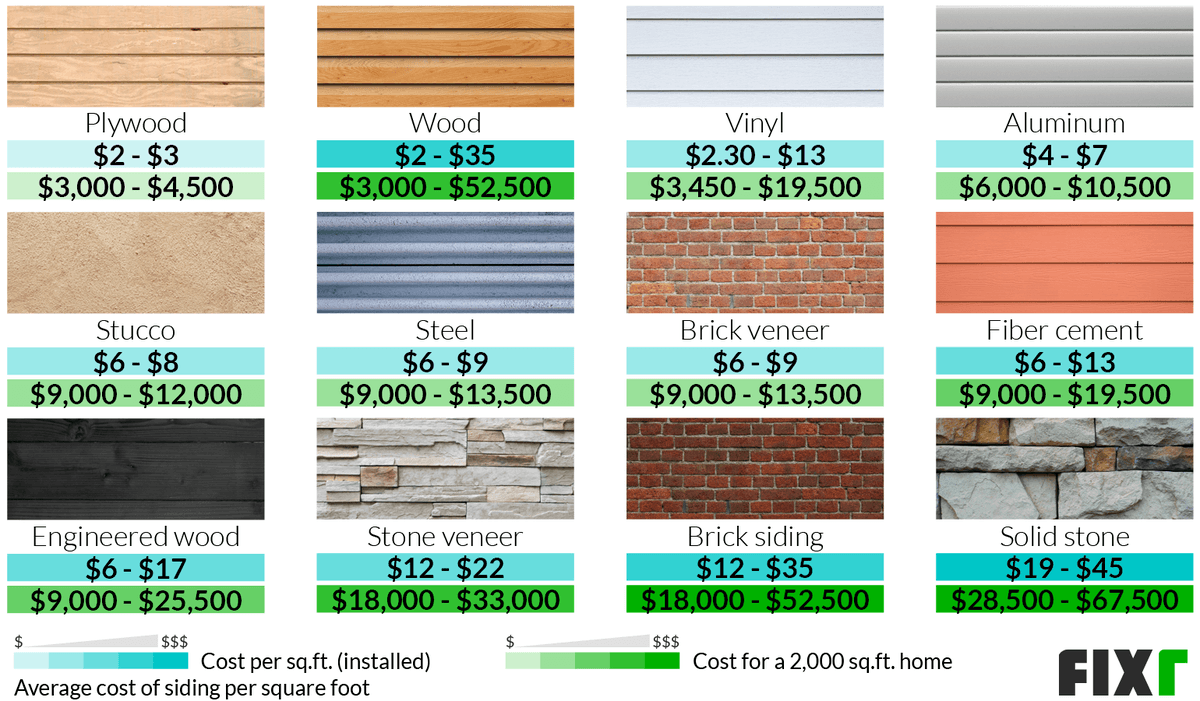
Different siding materials come with varying costs that can significantly impact the overall budget of a siding upgrade. Here are some common siding materials and their cost implications:
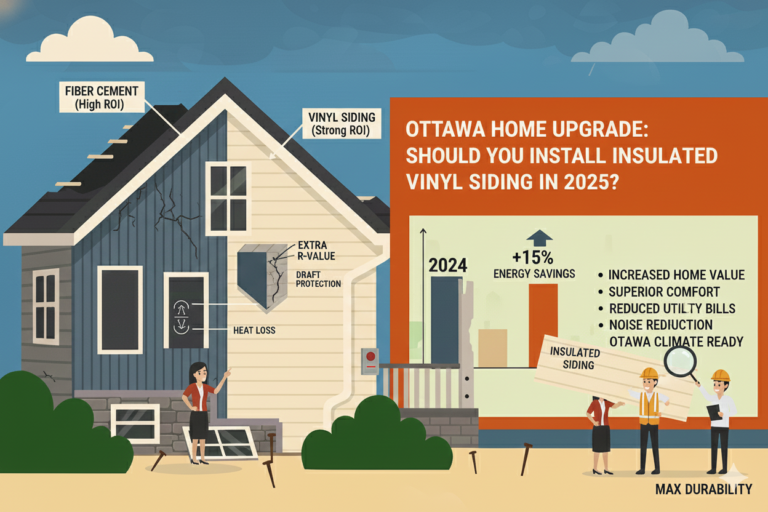
- Vinyl Siding: Vinyl siding is one of the most affordable options, making it a popular choice for homeowners on a budget.
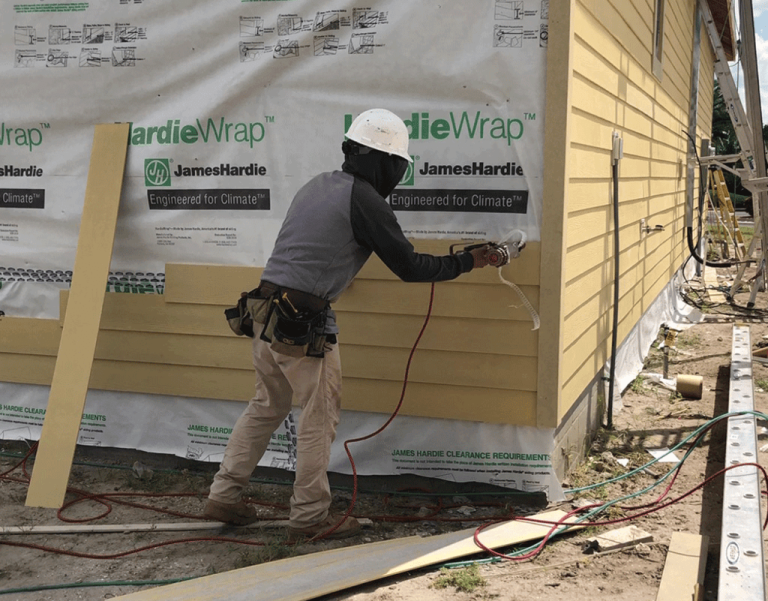
- Fiber Cement Siding: Fiber cement siding is a durable and low-maintenance option that falls in the mid-range in terms of cost.
- Wood Siding: Wood siding provides a classic and natural look but tends to be more expensive due to the material and maintenance requirements.
- Brick Siding: Brick siding is a high-end option that offers longevity and aesthetic appeal but comes with a higher price tag.
Size of the House
The size of the house is a crucial factor that influences the cost of an exterior siding upgrade. Larger homes require more materials and labor, leading to higher overall costs. When budgeting for a siding project, homeowners should consider the square footage of their home to estimate the total expenses accurately.
Complexity of the Project
The complexity of the project, including architectural details such as gables, dormers, and unique design elements, can impact the budget of a siding upgrade. These intricate features may require additional time and specialized skills from contractors, leading to increased costs.
Homeowners should account for the complexity of their project when determining their budget for an exterior siding upgrade.
Cost Comparison of Various Siding Materials
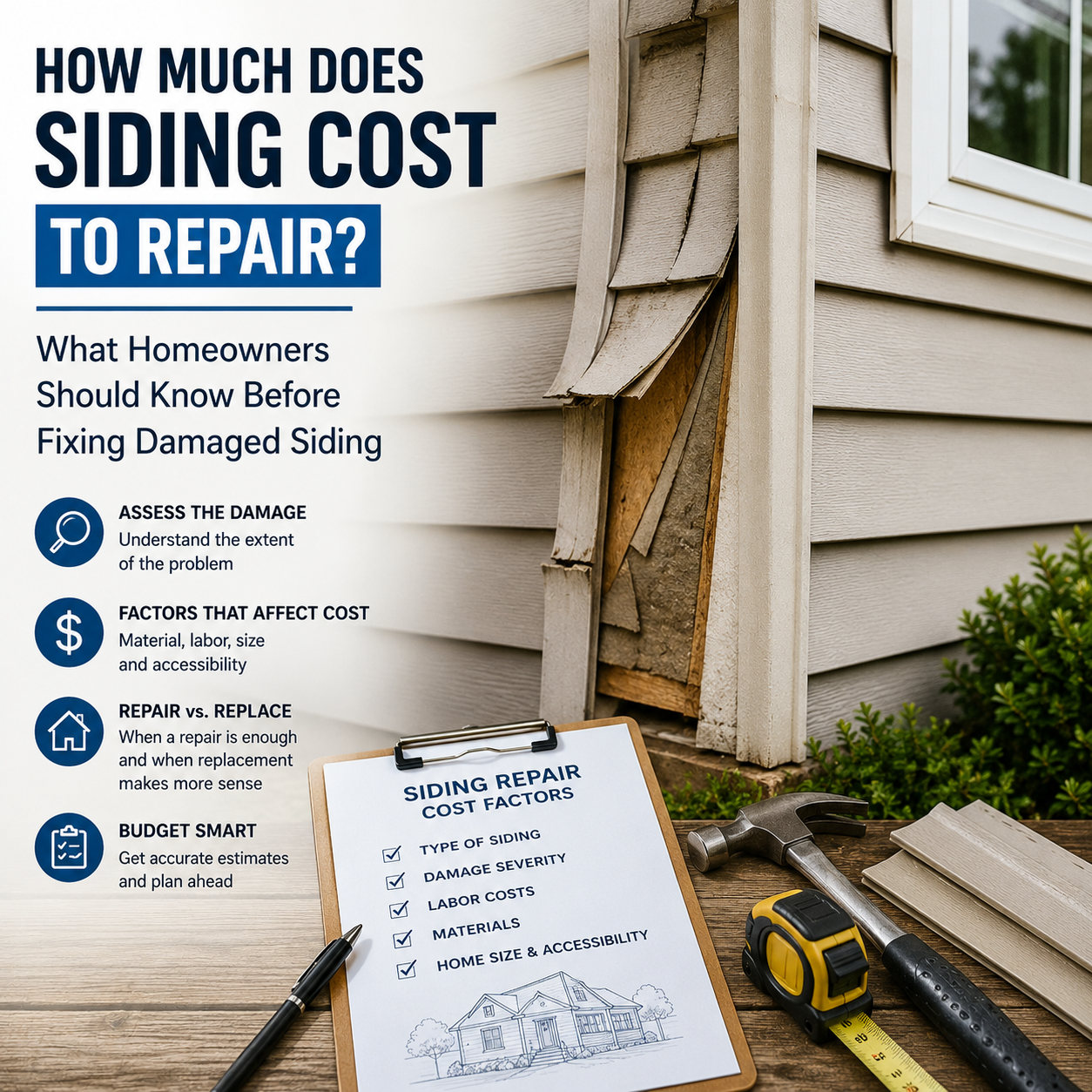
When considering an exterior siding upgrade, it’s essential to compare the costs of different siding materials to make an informed decision. Each material has its own initial cost, maintenance requirements, and long-term cost-effectiveness. Let’s break down the cost factors of vinyl siding, fiber cement, wood, and metal siding options.
Vinyl Siding
Vinyl siding is one of the most affordable options upfront. The material itself is relatively inexpensive compared to other options. However, it may require more frequent cleaning and maintenance over time, which can add to the overall cost. Despite this, vinyl siding is known for its durability and long-lasting performance, making it a cost-effective choice in the long run.
Fiber Cement Siding
Fiber cement siding is a bit more expensive than vinyl upfront, but it offers excellent durability and low maintenance costs. While the initial investment may be higher, fiber cement siding often requires minimal upkeep and can last for decades without needing replacement.
This makes it a cost-effective choice over the long term.
Wood Siding
Wood siding can vary widely in cost depending on the type of wood used. Cedar, for example, tends to be pricier than pine. While wood siding has a warm and natural look, it requires regular maintenance such as staining, painting, and sealing to prevent rot and insect damage.
The maintenance costs associated with wood siding can add up over time, making it less cost-effective compared to other materials.
Metal Siding
Metal siding, like aluminum or steel, is a durable and low-maintenance option. While the initial cost of metal siding can be higher than vinyl or wood, it requires minimal upkeep and is resistant to rot, pests, and fire. Metal siding is known for its longevity and can provide cost savings in the long run due to its durability and low maintenance requirements.
Labor Costs and Installation Expenses
When it comes to exterior siding projects, labor costs and installation expenses play a significant role in determining the overall budget. Understanding how these costs are calculated and what additional expenses may arise is crucial for homeowners planning a siding upgrade.
Calculating Labor Costs
Labor costs for exterior siding projects are typically calculated based on the square footage of the home. The complexity of the installation, the type of siding material being used, and the location of the property can also impact labor costs.
Additionally, the experience and expertise of the installation crew can influence the final labor expenses.
Additional Installation Expenses
In addition to labor costs, homeowners should budget for other installation expenses such as insulation, underlayment, and trim work. Insulation is important for improving energy efficiency and can add to the overall cost of the project. Underlayment, which provides a smooth surface for siding installation, is another expense to consider.
Trim work, including finishing touches and details around windows and doors, can also contribute to the total installation expenses.
Impact of Hiring Professionals vs. DIY Installation
The decision to hire professionals or opt for a DIY installation can have a significant impact on the overall budget. While hiring professionals may increase labor costs, it can ensure a high-quality and timely installation. DIY installation, on the other hand, may reduce labor expenses but could lead to additional costs if mistakes are made during the process.
Homeowners should weigh the pros and cons of each option based on their budget and skill level before making a decision.
Budgeting Tips for Homeowners
When it comes to planning for an exterior siding upgrade, effective budgeting is crucial to ensure a successful project without breaking the bank. Here are some tips to help homeowners manage their finances wisely:
Strategies for Budgeting Effectively
- Set a Realistic Budget: Start by determining how much you can afford to spend on the siding project. Consider your overall financial situation and set a budget that aligns with your means.
- Research Costs: Take the time to research the average costs of different siding materials and labor in your area. This will give you a better idea of what to expect and help you plan accordingly.
- Plan for Contingencies: It’s always a good idea to set aside a contingency fund for unexpected expenses that may arise during the project. Aim to allocate around 10-15% of your total budget for contingencies.
Negotiating with Contractors
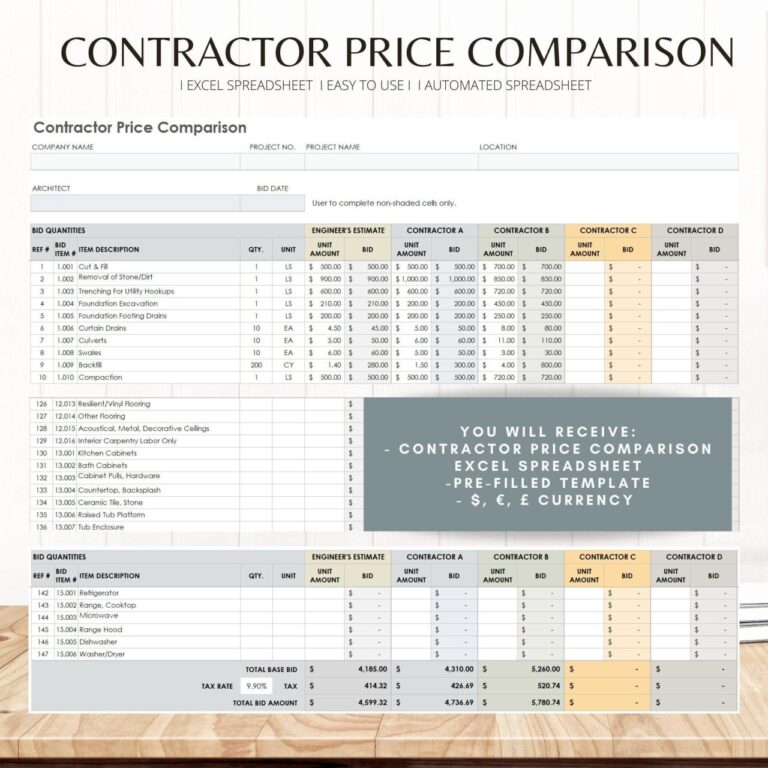
- Get Multiple Quotes: Don’t settle for the first contractor you come across. Obtain quotes from several reputable contractors and compare their prices and services to find the best deal.
- Ask for Discounts: Some contractors may be willing to offer discounts or special promotions, especially during off-peak seasons. Don’t be afraid to negotiate and ask for a better price.
- Consider Bundling Services: If you have other home improvement projects in mind, consider bundling them together with the siding installation. Contractors may be more inclined to offer discounts for multiple services.
Cost-Saving Measures
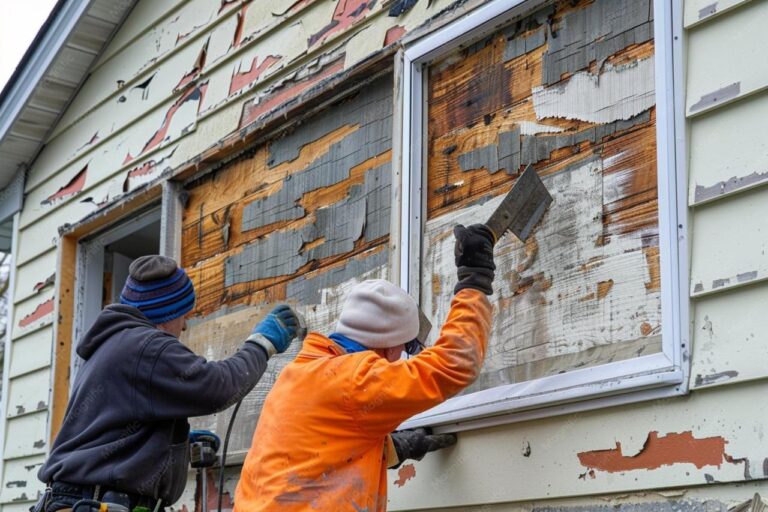
- DIY Preparation: You can save on labor costs by taking on some preparation tasks yourself, such as removing old siding or clearing the work area. Just make sure you have the necessary skills and tools to do it safely.
- Opt for Mid-Range Materials: High-end siding materials can significantly inflate your budget. Consider opting for mid-range options that offer a good balance between quality and cost.
- Regular Maintenance: Investing in regular maintenance for your new siding can help extend its lifespan and prevent costly repairs down the line. Simple tasks like cleaning and inspections can go a long way.
Helpful Answers
What are the key factors influencing exterior siding upgrade costs?
The type of siding material, house size, and project complexity all play a significant role in determining the overall cost.
Which siding material offers the best long-term cost-effectiveness?
Fiber cement siding is known for its durability and low maintenance costs, making it a cost-effective option in the long run.
How can homeowners negotiate with contractors to save on siding upgrade costs?
Homeowners can negotiate by getting multiple quotes, being flexible with project timelines, and discussing cost-saving options with contractors.