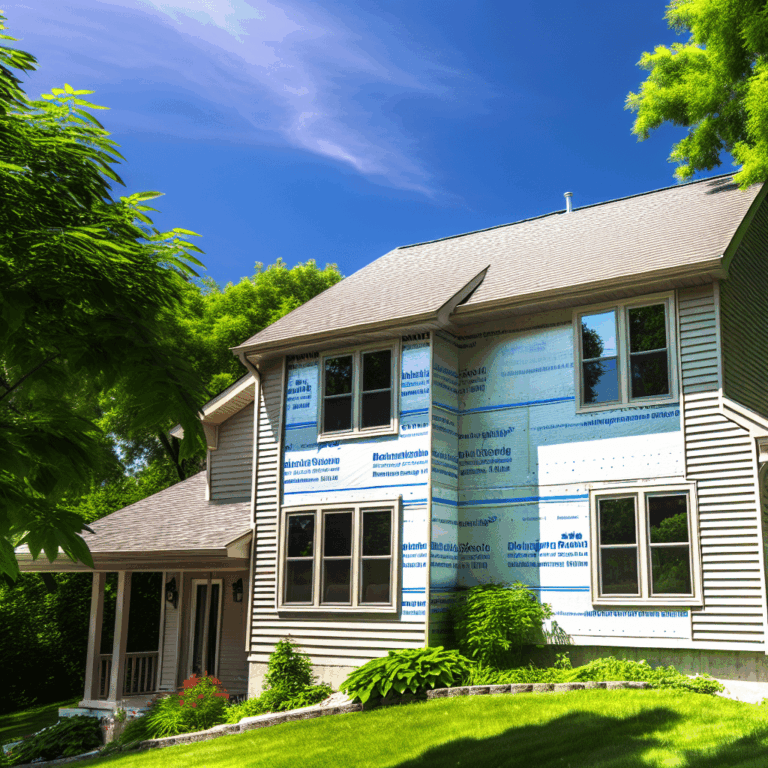
Insulated Vinyl Siding Cost: Installation Prices and Energy Benefits
As we delve into the realm of Insulated Vinyl Siding Cost: Installation Prices and Energy Benefits, a fascinating narrative unfolds, enticing readers with a unique and informative exploration of this topic.
In the following paragraphs, we will provide a detailed insight into the world of insulated vinyl siding, shedding light on its costs, benefits, and energy-saving potential.
Overview of Insulated Vinyl Siding
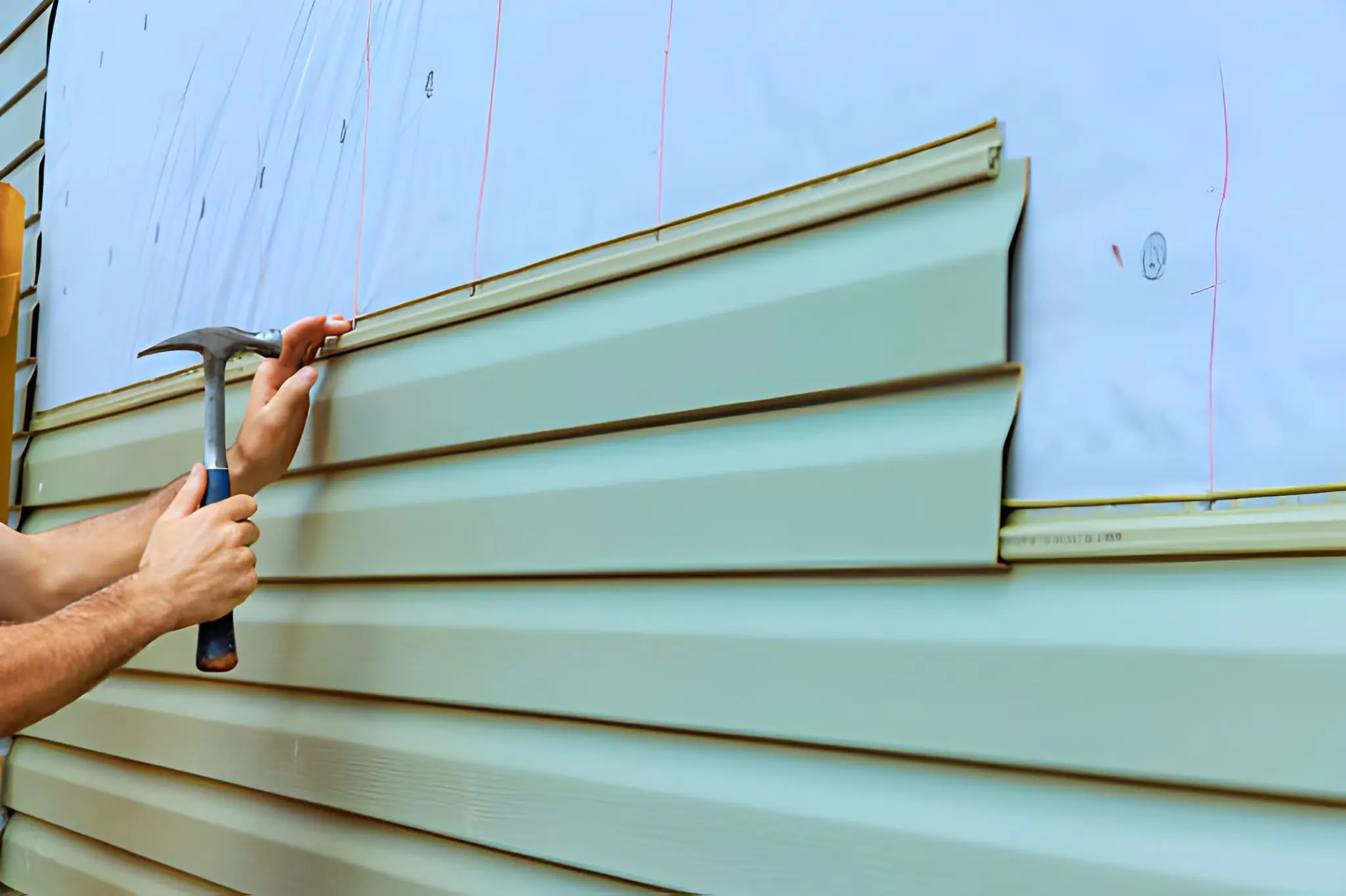
Insulated vinyl siding is a type of exterior cladding that has a layer of foam insulation attached to the back of the vinyl panels. This insulation helps improve the energy efficiency of a building by reducing heat transfer through the walls.
In comparison to regular vinyl siding, insulated vinyl siding offers better thermal resistance and can help lower energy bills.
Differences from Regular Vinyl Siding
Insulated vinyl siding differs from regular vinyl siding in that it has an added layer of foam insulation. This insulation improves the siding’s ability to resist heat flow, making it more energy-efficient than traditional vinyl siding. While regular vinyl siding simply acts as a protective layer for the exterior of a building, insulated vinyl siding provides additional insulation benefits.
Benefits of Insulated Vinyl Siding
- Improved Energy Efficiency: The added insulation in insulated vinyl siding helps reduce energy consumption by maintaining a more consistent indoor temperature.
- Noise Reduction: The foam backing of insulated vinyl siding can also help reduce outside noise infiltration, creating a quieter indoor environment.
- Increased Durability: The insulation layer can provide additional protection against impact and damage, increasing the lifespan of the siding.
Cost-Effective Scenarios
Insulated vinyl siding is often the most cost-effective option for homeowners looking to improve the energy efficiency of their homes without breaking the bank. In regions with extreme temperatures, the insulation provided by insulated vinyl siding can lead to significant savings on heating and cooling costs over time.
Additionally, the durability of insulated vinyl siding can help reduce maintenance and replacement expenses in the long run.
Cost Factors for Insulated Vinyl Siding Installation
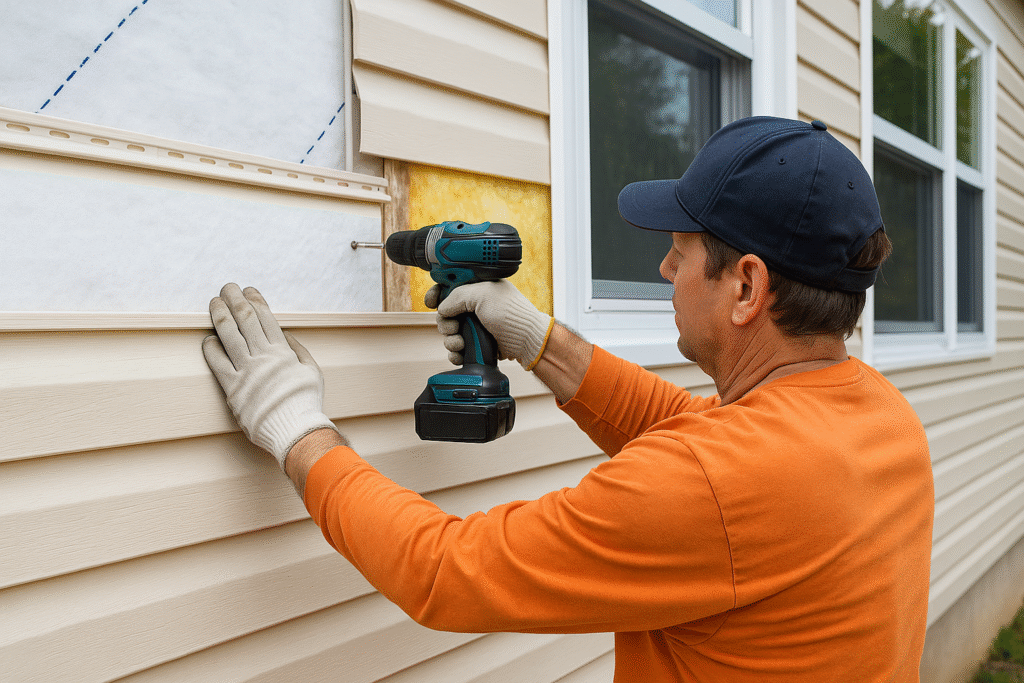
When considering the installation of insulated vinyl siding, several key cost factors come into play. These factors can greatly impact the overall price of the project, making it essential to understand and evaluate them.
Material Costs
- The cost of the insulated vinyl siding material itself is a significant factor in determining the overall installation cost. High-quality materials will naturally come at a higher price point compared to lower-grade options.
- Additional materials such as insulation boards, fasteners, and trim pieces also contribute to the total material cost.
Labor Costs
- The labor costs for installing insulated vinyl siding can vary depending on the region, availability of skilled professionals, and the complexity of the project.
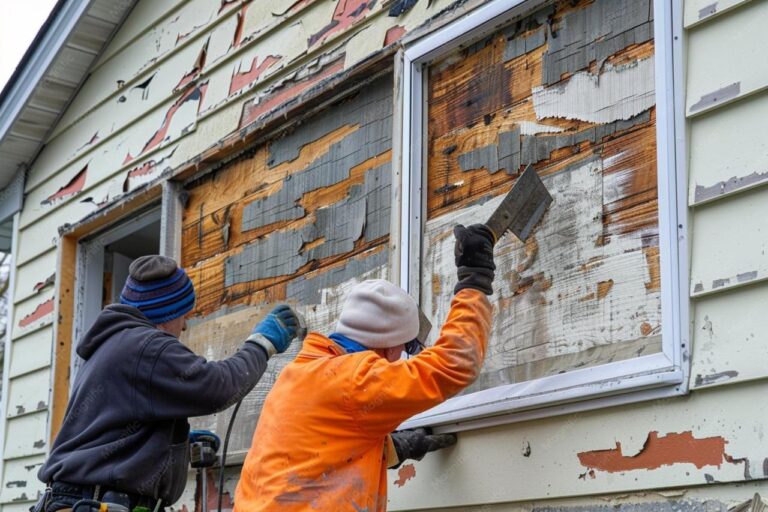
- Factors like the removal of old siding, preparation of the surface, and any customization or intricate detailing can increase labor costs.
Property Size and Complexity
- The size of the property plays a crucial role in determining the amount of material required and the time needed for installation, directly impacting the overall cost.
- Complexity factors such as architectural details, multiple stories, or uneven surfaces can increase installation time and labor costs.
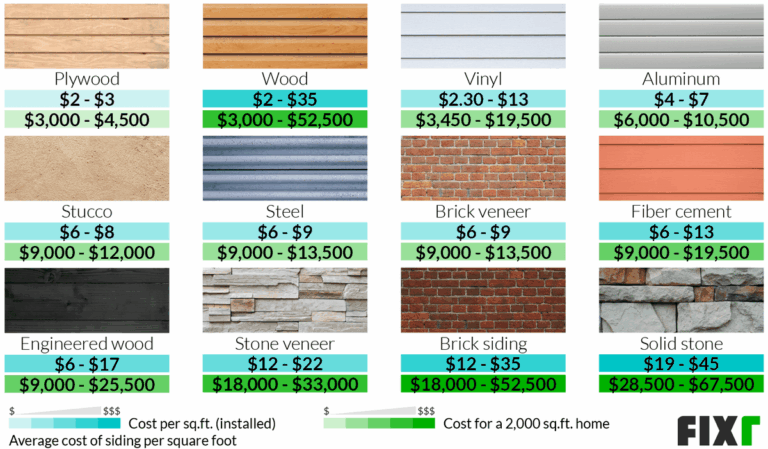
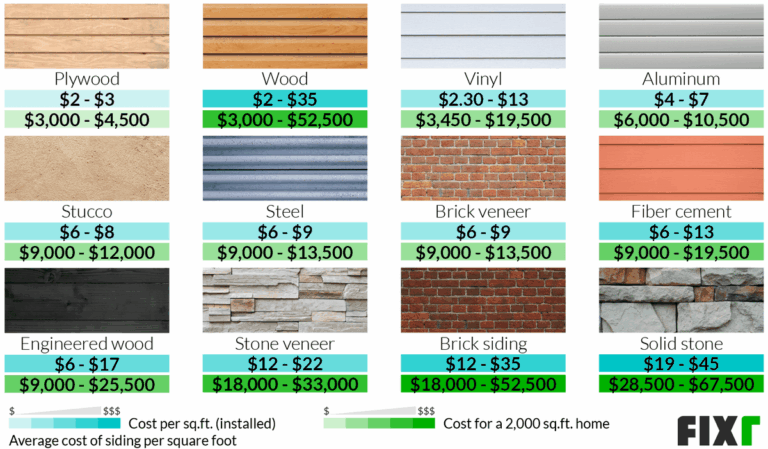
Comparative Costs with Other Siding Materials
- When comparing the installation costs of insulated vinyl siding with other popular siding materials like wood, fiber cement, or metal, insulated vinyl siding often proves to be more cost-effective.
- While the initial investment in insulated vinyl siding may be slightly higher, the long-term energy savings and minimal maintenance requirements can make it a financially wise choice.
Energy Efficiency and Savings with Insulated Vinyl Siding
Insulated vinyl siding offers significant energy-saving benefits for homeowners. By providing an additional layer of insulation to the exterior of a home, this type of siding helps reduce heat loss in the winter and heat gain in the summer.
Reduced Heating and Cooling Costs
- Insulated vinyl siding can help lower heating and cooling costs by improving the overall energy efficiency of a home. The added insulation reduces the workload on heating and cooling systems, resulting in lower energy consumption.
- According to the Vinyl Siding Institute, homeowners can save up to 20% on their energy bills by installing insulated vinyl siding. This reduction in energy usage translates to long-term savings for homeowners.
Real-Life Examples of Energy Savings
- Case Study: A homeowner in a cold climate area installed insulated vinyl siding on their home. After one year, they noticed a significant decrease in their heating bills during the winter months. The added insulation helped maintain a comfortable temperature indoors, leading to lower energy expenses.
- Another example is a homeowner in a hot climate region who installed insulated vinyl siding. They reported a noticeable reduction in their cooling costs during the summer, as the siding helped keep their home cooler without overworking the air conditioning system.
Installation Process of Insulated Vinyl Siding
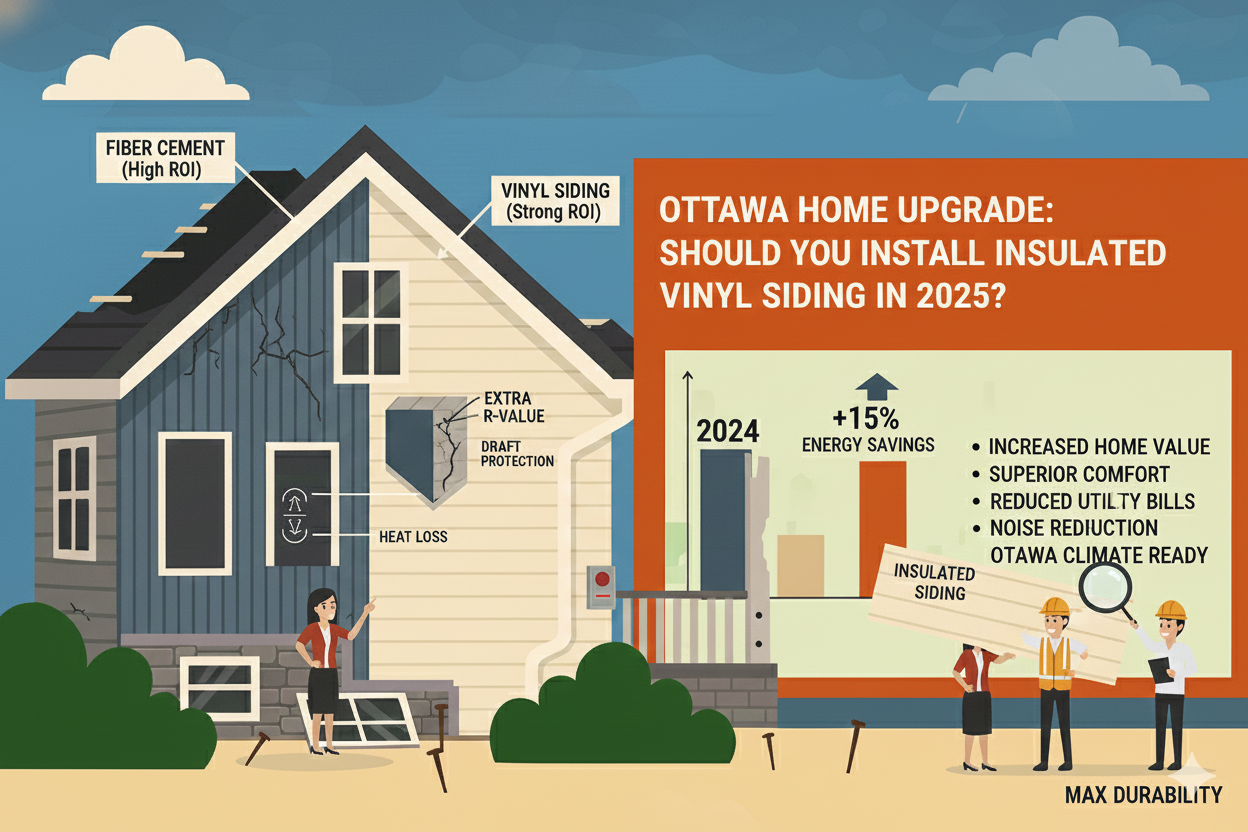
When it comes to installing insulated vinyl siding, there are specific steps and considerations to ensure a successful and durable outcome.
General Steps for Installing Insulated Vinyl Siding
- Prepare the walls: Inspect the walls for any damage, repair if needed, and ensure they are clean and smooth.
- Measure and cut: Measure the walls accurately and cut the siding panels to fit the dimensions.
- Install starter strips: Begin by installing starter strips at the bottom of the wall to provide a base for the siding panels.
- Attach the siding panels: Start from one end and work your way across, attaching the panels securely to the wall.
- Finish with trim: Complete the installation by adding trim pieces around windows, doors, and corners for a polished look.
Special Tools and Techniques for Installation
- Specialized cutting tools: Use tools like tin snips, utility knives, and siding shears for accurate and clean cuts.
- Level and chalk line: Ensure the siding is installed straight and level by using a level and chalk line as guides.
- Nail gun or hammer: Secure the siding panels in place using a nail gun or hammer, following manufacturer guidelines.
Tips for a Successful Installation
- Follow manufacturer instructions: Adhere to the specific guidelines provided by the manufacturer for installation to ensure proper fitting and performance.
- Allow for expansion and contraction: Leave space for the siding to expand and contract with temperature changes to prevent buckling or warping.
- Consider professional help: If you are unsure about any step or lack the necessary tools, consider hiring a professional for the installation.
Commonly Asked Questions
What sets insulated vinyl siding apart from regular vinyl siding?
Insulated vinyl siding contains a layer of insulation that regular vinyl siding lacks, providing enhanced energy efficiency and impact resistance.
How do installation costs of insulated vinyl siding compare to other siding materials?
While the initial cost may be higher, the long-term energy savings and durability of insulated vinyl siding often make it a cost-effective choice in the grand scheme of things.
Can insulated vinyl siding truly help reduce heating and cooling costs?
Yes, the added insulation in insulated vinyl siding can significantly improve a property’s energy efficiency, leading to lower heating and cooling expenses over time.